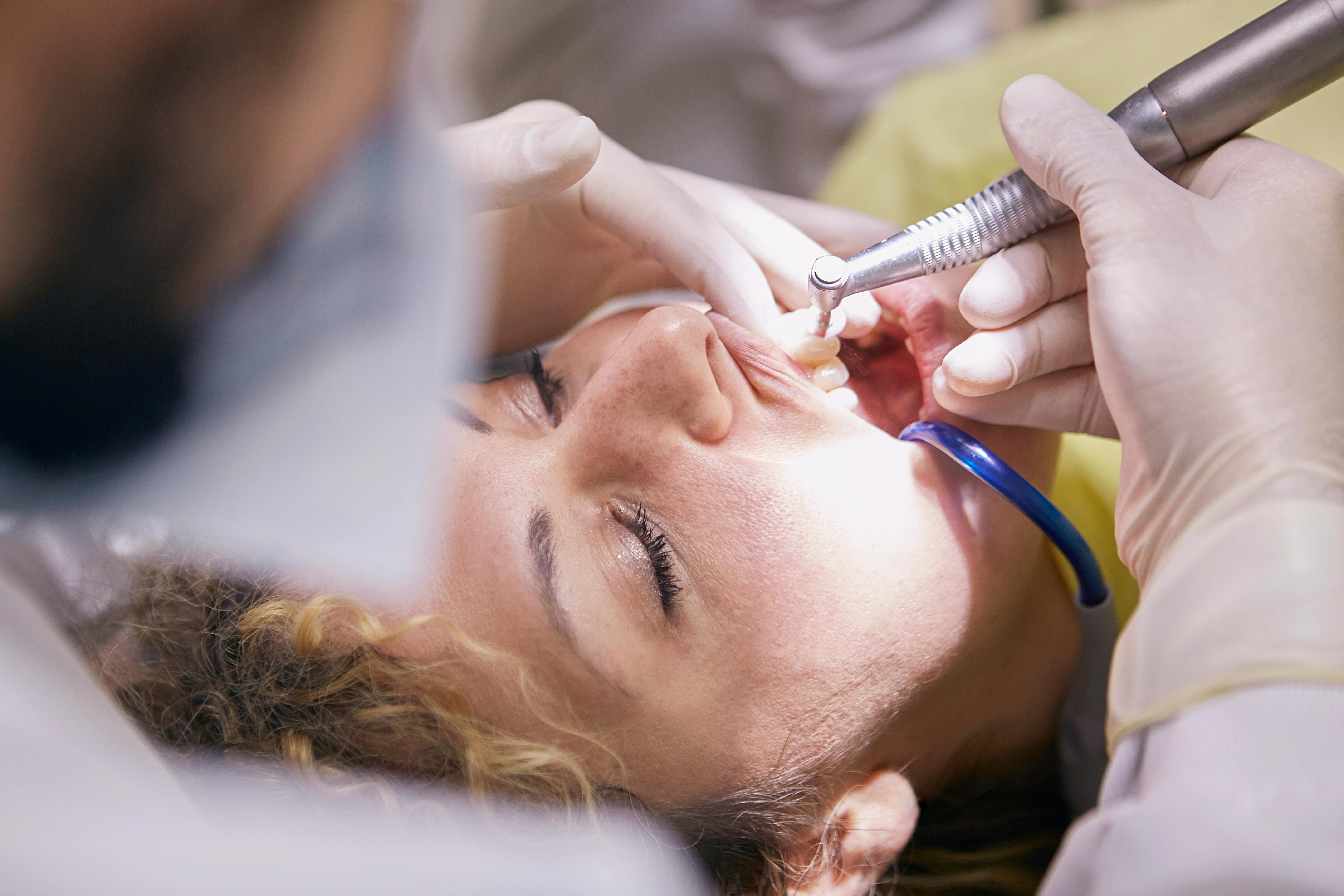
Dental cleanings are an essential part of maintaining a healthy mouth, but if you have sensitive teeth, the thought of sitting in that chair might feel like a nightmare. You’re not just being dramatic—dental sensitivity is a real issue, affecting millions of people worldwide. Fortunately, with the right information, preparation, and care, you can make your dental angels visits much more comfortable and still get the clean, healthy smile you deserve.
In this article, we’ll cover what causes sensitivity, how dental cleanings affect sensitive teeth, and most importantly, how to make the experience easier and safer—because when it comes to your health, especially your oral health, every decision matters.
Visit the Mainpage for the latest updates.
What Causes Tooth Sensitivity?
Tooth sensitivity, also known as dentin hypersensitivity, occurs when the protective layer of your teeth (enamel or cementum) wears away, exposing the underlying dentin. This dentin contains tiny tubules that lead to the tooth’s nerve. When exposed to hot, cold, sweet, or acidic substances—or even just air—these tubules transmit sensations directly to the nerve, causing sharp, sudden pain.
Common Causes Include:
- Gum recession (often from gum disease or aggressive brushing)
- Tooth enamel erosion (due to acidic foods/drinks or acid reflux)
- Tooth grinding (bruxism)
- Cracked or chipped teeth
- Post-whitening sensitivity
- Cavities or worn fillings
To put it into perspective: a 2024 global review found that over 1 in 3 adults suffer from tooth sensitivity, and many avoid professional cleanings due to fear of pain.
Why Dental Cleanings Matter?
Despite the discomfort, dental cleanings are critical. Skipping them can lead to:
- Plaque buildup that hardens into tartar
- Gum inflammation and gum disease (which worsens sensitivity)
- Tooth decay
- Bad breath and infections
The American Dental Association (ADA) recommends dental cleanings at least once a year, and ideally every six months. Cleanings remove harmful buildup that daily brushing and flossing can’t, protecting both your teeth and your general health.
But here’s the good news: cleanings don’t have to be painful, even with sensitive teeth.
How Dental Professionals Help Patients with Sensitivity
When your dental team knows you have sensitivity, they can tailor the entire cleaning experience to be gentler and more comfortable.
What They Might Do:
- Use softer tools and hand scaling instead of ultrasonic ones
- Apply topical numbing gels before starting
- Use desensitizing pastes or varnishes after cleaning
- Avoid cold water rinsing or high-pressure sprays
- Offer local anesthesia in extreme cases
Don’t be afraid to speak up. Letting your dentist or hygienist know about your sensitivity isn’t complaining—it’s responsible self-care.
How to Prepare at Home Before a Cleaning
A few small changes at home can reduce pain during your cleaning and help long-term sensitivity.
Here’s What You Can Do:
-
Switch to a desensitizing toothpaste
Look for one with potassium nitrate or stannous fluoride, proven to block nerve signals in sensitive teeth. Use it consistently for 2–4 weeks before your appointment. -
Brush with a soft-bristle toothbrush
Avoid medium or hard bristles. They can wear down enamel and irritate gums, making sensitivity worse. -
Don’t brush too hard
Let the bristles do the work. Pressing harder doesn’t clean better—it just damages your enamel. -
Avoid acidic foods and drinks before your appointment
Things like soda, citrus, and vinegar-based foods can weaken enamel and heighten sensitivity. -
Try a fluoride rinse or gel
This can strengthen enamel and reduce sensitivity with daily use.
These steps help build up protection around your teeth, making dental work more comfortable.
What Treatments Help After a Cleaning?
Sometimes, sensitivity increases briefly after a cleaning. This is normal but temporary. Still, there are treatments your dentist may suggest if it continues:
In-Office Treatments:
- Fluoride varnishes: Strengthen enamel and reduce nerve exposure
- Desensitizing agents: Seal exposed dentin tubules
- Dental bonding: Covers exposed roots
- Gum grafting: If gum recession is severe
At-Home Follow-Ups:
- Continue using desensitizing toothpaste
- Avoid extreme temperatures in food and drink
- Stick with soft brushing
- Don’t skip flossing—gentle flossing keeps gums healthy
Pain after a cleaning should never last more than a few days. If it does, follow up with your dentist.
It’s Not Just About Teeth—It’s About Quality of Life
Tooth sensitivity isn’t just a dental issue—it can affect your entire lifestyle. People with sensitivity often:
- Avoid favorite foods (like ice cream or hot soup)
- Brush less to avoid pain (which leads to more problems)
- Skip dental visits, creating a cycle of worsening oral health
This is why treating sensitivity properly—and not delaying dental cleanings—is so important. Your health, comfort, and confidence are all on the line.
Personal Perspective: You’re Not Alone
Many people quietly suffer from sensitive teeth, but relief is possible. One patient shared:
“I used to dread cleanings. Every scrape felt like fire. But after switching to a sensitive toothpaste and telling my hygienist, it’s so much better. I even enjoy cleanings now.”
Another said:
“What helped me the most was fluoride gel at home. My dentist recommended it, and within two weeks, my coffee wasn’t killing me anymore!”
Small changes can lead to big relief.
Conclusion: You Deserve a Pain-Free, Healthy Smile
Let’s be honest—sensitive teeth are frustrating. They interfere with eating, drinking, brushing, and dental visits. But sensitivity doesn’t have to control your oral health.
With proper care, open communication with your dental team, and a few smart choices at home, you can get your teeth professionally cleaned without dreading the pain.
Take the Next Step
Your smile is part of your life, and your life is precious. Don’t let sensitivity keep you from taking care of yourself.
Here’s what to do next:
- Schedule your next dental cleaning—and tell them about your sensitivity.
- Use a desensitizing toothpaste starting today.
- Make gentle, consistent oral care your new habit.
If you’re still nervous, bring this article with you to your next appointment—it can help guide the conversation.