
As people age, their food choices become more than just about taste: they become about survival, longevity, and the quality of life. Chronic illnesses like heart disease, diabetes, arthritis, and dementia often stem from years of poor dietary habits. Nutrition experts know this better than anyone. So, what foods do they really eat to stop chronic illness in old age?
The answer isn’t in exotic superfoods or expensive supplements. It’s in simple, nutrient-rich, whole foods that protect the body from inflammation, oxidative stress, and cell damage.
This is a closer look at what nutrition experts actually put on their plates every day to stay strong, sharp, and disease-free well into their later years.
Why Diet Matters More With Age
After 40, the body’s metabolism slows down. Cells regenerate more slowly, inflammation increases, and the immune system weakens. Small dietary mistakes that once went unnoticed start adding up. By the time people reach their 60s or 70s, those choices often show up as chronic illnesses.
Nutrition experts focus on three main goals when it comes to preventing chronic illness in old age:
- Reducing inflammation to prevent diseases like arthritis and heart disease.
- Balancing blood sugar to lower the risk of diabetes and cognitive decline.
- Boosting cell repair through antioxidants and nutrient-dense foods.
These goals shape the foundation of what they eat daily.
The Power of Whole, Plant-Based Foods
One of the biggest dietary patterns shared by long-living populations around the world—like those in the Mediterranean and Japan—is a plant-based diet. Nutrition experts often build their meals around fruits, vegetables, legumes, nuts, and whole grains.
- Leafy Greens:
Kale, spinach, collard greens, and arugula are loaded with vitamins A, C, and K, calcium, and antioxidants. These greens reduce inflammation and protect against bone loss, eye diseases, and even certain cancers. Experts often recommend at least one serving of leafy greens per meal, whether as a salad base, smoothie ingredient, or side dish.
- Cruciferous Vegetables:
Broccoli, cauliflower, Brussels sprouts, and cabbage are powerful anti-inflammatory foods. They contain sulforaphane, a compound that supports the liver in detoxifying harmful substances.
Experts often steam or lightly sauté these vegetables to preserve nutrients while improving digestion.
- Berries:
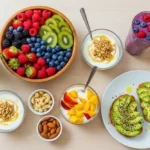
Berries—especially blueberries, raspberries, and strawberries—are rich in antioxidants like anthocyanins, which protect the brain and heart. Regular consumption of berries has been linked to improved memory and reduced risk of Alzheimer’s disease.
Many nutritionists add berries to breakfast oats, yogurt, or smoothies.
Protein Sources That Protect Muscle and Heart Health
As people age, maintaining muscle mass becomes critical for mobility and strength. Nutrition experts don’t rely solely on red meat for protein. Instead, they choose lean and plant-based options that support heart and metabolic health.
- Fish Rich in Omega-3s:
Salmon, sardines, trout, and mackerel are staples in the diet of many health professionals. Omega-3 fatty acids reduce inflammation, improve brain function, and support cardiovascular health. Experts recommend eating fatty fish at least twice a week to help prevent chronic illness in old age.
- Legumes and Beans:
Chickpeas, lentils, and black beans are excellent sources of plant protein and fiber. They help stabilize blood sugar and lower cholesterol. Fiber also promotes a healthy gut, which is essential for strong immunity in older adults. - Nuts and Seeds:
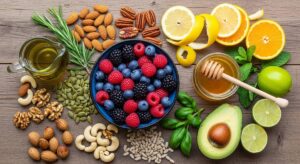
Almonds, walnuts, flaxseeds, and chia seeds are loaded with healthy fats, protein, and minerals. A handful a day can reduce the risk of heart disease and keep the brain sharp.
Nutrition experts often snack on a mix of nuts or sprinkle seeds over salads and yogurt.
Whole Grains That Support Longevity
Refined grains spike blood sugar and contribute to inflammation. Experts replace them with nutrient-dense whole grains that support long-term energy and digestion.
- Oats:
Oats are rich in beta-glucan, a type of fiber that helps lower cholesterol and supports heart health. They also keep blood sugar levels stable. - Quinoa:
This gluten-free grain provides complete protein and essential minerals like magnesium and iron. Quinoa is a go-to base for salads and bowls among nutrition experts. - Brown Rice and Barley:
Both contain antioxidants and B vitamins that support metabolism and nerve health. Their slow-digesting carbohydrates prevent insulin spikes.
Healthy Fats That Nourish the Brain and Joints
Experts emphasize that not all fats are bad. Healthy fats are vital for hormone regulation, nutrient absorption, and brain protection.
- Extra Virgin Olive Oil:
A cornerstone of the Mediterranean diet, olive oil contains powerful anti-inflammatory compounds. It’s used in dressings, cooking, and even drizzled over vegetables. - Avocados:
Rich in potassium, fiber, and healthy monounsaturated fats, avocados support heart health and reduce cholesterol levels. - Flaxseed Oil and Chia Seeds:
Both are plant-based sources of omega-3s, ideal for vegetarians and vegans who avoid fish.
Foods That Strengthen Immunity in Old Age
Immunity naturally weakens with age, making older adults more susceptible to infections and chronic inflammation. Nutrition experts rely on specific foods to boost their defense system.
- Garlic:
Garlic has antiviral, antibacterial, and anti-inflammatory properties. Regular consumption can help reduce blood pressure and cholesterol. - Ginger and Turmeric:
Both are natural anti-inflammatories. Turmeric’s active compound, curcumin, helps fight joint pain and cognitive decline. Experts often combine it with black pepper to enhance absorption. - Citrus Fruits:
Oranges, lemons, and grapefruits are rich in vitamin C, which supports collagen production, immune strength, and skin elasticity. - Green Tea:
Green tea is high in antioxidants like EGCG, which protect cells from aging and support metabolism. Many nutritionists swap out coffee for green tea in the afternoon.
The Role of Fermented Foods
Gut health plays a major role in overall well-being, especially for older adults. Fermented foods help maintain a healthy gut microbiome, which supports digestion, immunity, and even mental health.
Nutrition experts regularly include foods like yogurt, kefir, kimchi, sauerkraut, and miso in their diet. These contain probiotics that promote good bacteria in the digestive system and reduce inflammation throughout the body.
The Importance of Hydration and Moderation
Even the healthiest foods lose their benefits without proper hydration. Experts stress the importance of drinking enough water to maintain kidney function, digestion, and nutrient transport. Herbal teas, soups, and water-rich fruits like cucumbers and melons also contribute to hydration.
Moderation is another key. Experts don’t eliminate all indulgent foods; they simply practice portion control. Small amounts of dark chocolate, for example, provide antioxidants without excessive sugar.
What Nutrition Experts Avoid
To stop chronic illness in old age, experts avoid foods that accelerate aging, cause inflammation, or strain the body’s systems. These include:
- Processed meats like sausages and bacon.
- Sugary snacks and drinks.
- Refined carbohydrates like white bread and pastries.
- Excessive alcohol.
- Fried and ultra-processed foods.
These foods contribute to oxidative stress, arterial damage, and insulin resistance, all of which speed up chronic illness progression.
A Sample Day of Eating Like a Nutrition Expert
Breakfast:
- Oatmeal with blueberries, chia seeds, and almond butter.
- Green tea or black coffee.
Lunch:
- Quinoa salad with chickpeas, leafy greens, avocado, and olive oil dressing.
- A small serving of grilled salmon.
Snack:
- A handful of mixed nuts and a citrus fruit.
Dinner:
- Lentil soup with garlic and turmeric.
- Steamed broccoli and a side of brown rice.
Evening Drink:
- Herbal tea with ginger or chamomile.
This balanced diet emphasizes fiber, healthy fats, lean proteins, and antioxidants—exactly what experts recommend to stop chronic illness in old age.
Conclusion
What foods nutrition experts really eat to stop chronic illness in old age is not about dieting or restriction. It’s about balance, consistency, and nourishment. They focus on natural, whole foods that support the body’s systems instead of overloading them.
Their daily choices prove that aging healthily is not about luck or genetics alone. It’s about small, intentional habits repeated over decades—choosing greens over grease, water over soda, and mindful eating over convenience.
These simple but powerful decisions can help anyone reduce the risk of chronic disease, stay active, and enjoy a vibrant life well into their 80s and beyond.