What Does Herpes Look Like? Clear Visual Signs and Symptoms Guide
If you are wondering what does herpes look like, you are not alone. Many people search for this because the symptoms can be confusing and sometimes resemble other common skin issues. Herpes can appear differently depending on the stage, location, and individual body response.
In this guide, you will learn how to recognize herpes symptoms, understand its stages, and confidently distinguish it from similar conditions.
What Does Herpes Look Like?
So, what does herpes look like in general?
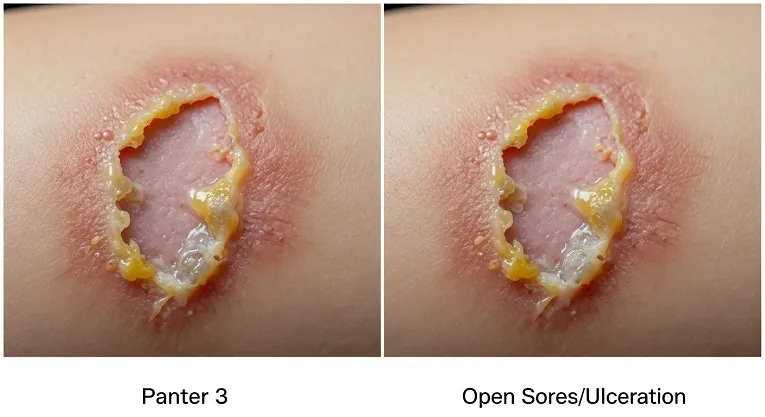
Herpes usually appears as small, fluid-filled blisters that form in clusters on a red base. These blisters can break open, turning into painful sores. Over time, they dry out, form a crust, and heal.
Key visual signs include:
- Tiny grouped blisters
- Red and inflamed skin
- Open sores after bursting
- Scabbing during healing
This basic pattern helps identify herpes compared to other skin conditions.
What Does Herpes Look Like in the Early Stages?
In the early stages, herpes is often difficult to identify because visible sores may not appear immediately.
Early herpes symptoms include:
- Tingling or itching in one area
- Burning sensation on the skin
- Mild redness or irritation
- Sensitivity to touch
Many people overlook these signs because they can feel like a minor skin issue. However, this stage is important because it often comes before a herpes outbreak.
Herpes Stages (Day by Day Progression)
Understanding the stages helps you better answer the question what does herpes look like over time.
Stage 1: Tingling and Itching
This is known as the warning phase. You may feel discomfort before anything is visible.
Stage 2: Blister Formation
Small fluid-filled blisters begin to appear. These are usually clustered and may feel painful.
Stage 3: Open Sores
The blisters break open, leaving shallow ulcers. This stage can be the most uncomfortable.
Stage 4: Crusting and Healing
The sores dry out and form scabs. Pain begins to reduce.
Stage 5: Skin Recovery
The skin heals completely, sometimes leaving slight discoloration.
What Does Oral Herpes Look Like?
Oral herpes commonly appears around the lips and mouth.
Typical signs include:
- Cold sores on or around the lips
- Crusting at the edges of the mouth
- Small blisters that may merge together
These sores can be painful and may crack when the skin stretches. Many people mistake them for dry lips or minor irritation at first.
What Does Genital Herpes Look Like?
Genital herpes affects the genital and surrounding areas.
Common visual signs include:
- Painful blisters or ulcers
- Red and swollen skin
- Sores on the genitals, thighs, or buttocks
In men, sores may appear on the penis or groin. In women, they may appear on the vagina or surrounding areas. The appearance is similar to oral herpes but occurs in a different location.
What Does Mild Herpes Look Like?
Mild herpes is often overlooked because the symptoms are less obvious.
It may look like:
- Small bumps instead of clear blisters
- Slight redness without severe pain
- One or two sores instead of clusters
Because of this, mild herpes is often confused with pimples or ingrown hairs.
What Does Healing Herpes Look Like?
As herpes begins to heal, its appearance changes noticeably.
Signs of healing include:
- Dry, crusted sores
- Reduced redness
- Less swelling
- Skin is gradually returning to normal
This stage is important because it shows the body is recovering, even though the virus remains in the system.
Herpes vs Other Skin Conditions
One of the biggest concerns people have when asking what does herpes look like is how to tell it apart from other conditions.
Herpes vs Pimples
- Herpes appears in clusters
- Pimples are usually single bumps
- Herpes contains clear fluid
Herpes vs Ingrown Hair
- Ingrown hairs often have a visible hair trapped inside
- Herpes blisters do not
Razor Burn vs Herpes
- Razor burn causes widespread irritation
- Herpes forms localized sores
Herpes vs Rash
- Rashes spread across a larger area
- Herpes stays in small clusters
Can Herpes Look Different in Each Outbreak?
Yes, herpes can look different each time it appears.
Some outbreaks may be severe with multiple sores, while others may be mild with only slight irritation. Over time, outbreaks often become less intense.
This variation can make herpes harder to identify, especially for first-time cases.
Does Herpes Always Cause Blisters?
Not always. While blisters are the most common symptom, some people experience very mild outbreaks.
In some cases:
- No visible sores appear
- Only tingling or itching is felt
- Symptoms are easily ignored
This is why many people do not realize they have herpes.
Where on the Body Can Herpes Appear?
Herpes can appear in several areas depending on the type of infection.
Common locations include:
- Lips and mouth
- Genitals
- Thighs
- Buttocks
In rare cases, it can appear on other parts of the body if the virus spreads through skin contact.
When Should You See a Doctor?
You should consider seeing a doctor if:
- It is your first outbreak
- The pain is severe
- You are unsure about the symptoms
- Sores take longer than usual to heal
A professional diagnosis is the best way to confirm herpes.
How Is Herpes Diagnosed?
Doctors typically diagnose herpes through:
- Physical examination
- Swab testing of sores
- Blood tests
Testing is important because visual symptoms alone are not always reliable.
FAQs
Can herpes look like a cut?
Yes, in some cases, herpes sores may resemble small cuts or cracks in the skin.
How long do herpes sores last?
Most outbreaks last between 7 and 14 days.
Can herpes be mistaken for something else?
Yes, it is often confused with pimples, ingrown hairs, or skin irritation.
Is herpes always visible?
No, some people have no visible symptoms at all.
Conclusion
Understanding what does herpes look like can help you identify symptoms early and reduce unnecessary worry. While herpes often appears as clustered blisters that turn into sores, it can vary in severity and appearance.
If you are unsure about any symptoms, it is always best to seek medical advice. Early awareness and proper diagnosis can make a big difference in managing the condition effectively.
Last reviewed: August 2026. This article is for general information only and does not replace professional medical advice. Please see a GP or sexual health clinic for diagnosis and treatment.