Pelvic girdle pain is a condition that affects the joints and ligaments of the pelvis, leading to discomfort and reduced mobility. It is commonly experienced during pregnancy, but it can also affect people outside of pregnancy due to injury, posture issues, or joint dysfunction.
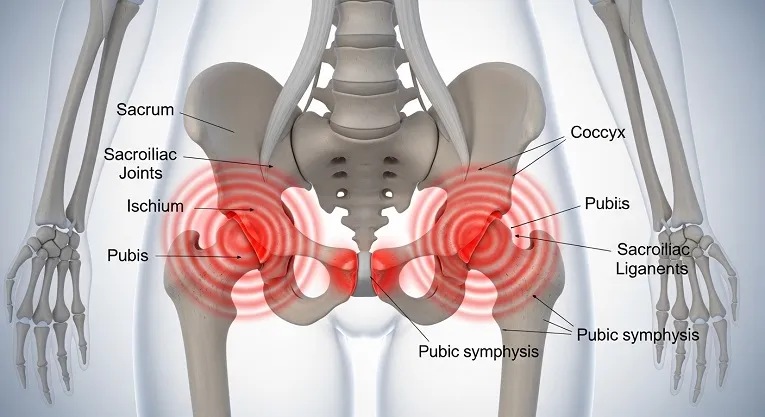
The pelvic girdle consists of three main joints, including the two sacroiliac joints at the back and the pubic symphysis at the front. When these joints do not move properly or become unstable, it can result in girdle pain.
Many people confuse this condition with general pelvic pain, but they are not the same. Pain in the pelvic girdle specifically involves the musculoskeletal structure, while pelvic pain can relate to internal organs.
Pelvic Girdle Anatomy Explained
To understand why this condition happens, it helps to know how the pelvis works. The pelvic girdle acts as a support system that connects the spine to the legs. It plays a crucial role in stability and movement.
The sacroiliac joints transfer weight from the upper body to the lower body, while the pubic symphysis allows slight movement to support activities like walking. During pregnancy, hormones such as relaxin make ligaments more flexible, which can lead to pelvic instability.
When the balance between stability and movement is disrupted, pain can develop in different parts of the pelvis.
Where Is Pelvic Girdle Pain Felt?
The Pain in the pelvic girdle can appear in several areas, which is why it is often misunderstood. Common locations include:
- Lower back, especially near the spine
- Hips and buttocks
- Front of the pelvis near the pubic bone
- Groin and inner thighs
Some people experience pain on one side, while others feel it on both sides. The pain may also shift depending on movement or posture. Understanding where the pain occurs helps in identifying pain in the pelvic girdle symptoms accurately.
Causes of Pain in the Pelvic Girdle
There are multiple causes of pelvic pain, and they can vary depending on the individual.
Pregnancy-related causes
Hormonal changes increase joint flexibility
Weight gain adds pressure on the pelvis
Changes in posture affect alignment
Non-pregnancy causes
Injury or trauma to the pelvis
Arthritis or joint inflammation
Poor posture or prolonged sitting
Muscle imbalance and weak core muscles
In many cases, a combination of these factors contributes to pelvic girdle pain.
Pain in the Pelvic Girdle During Pregnancy
Pelvic girdle pain during pregnancy is very common and often develops gradually.
First trimester
Pain is usually mild and may feel like discomfort in the lower back or hips
Second trimester
Pain becomes more noticeable as the body changes and weight increases
Third trimester
Pain can become more intense and affect daily activities such as walking or sleeping
Understanding how pelvic girdle pain changes across trimesters helps in managing it effectively.
Symptoms of Pain in the Pelvic Girdle
Recognizing pelvic girdle pain symptoms is important for early management. Common signs include:
- Sharp or dull pain in the pelvic region
- Difficulty walking or climbing stairs
- Clicking or grinding sensation in the pelvis
- Pain when turning in bed
- Discomfort while standing on one leg
These symptoms may worsen with certain movements, especially those involving uneven weight distribution.
What Makes Girdle Pain Worse?
Certain daily activities can trigger or worsen pelvic girdle pain. These include:
- Sitting for long periods
- Standing on one leg
- Getting in and out of bed
- Carrying heavy items on one side
- Sudden twisting movements
Avoiding these triggers can significantly reduce discomfort.
Pelvic Pain vs Other Conditions
It is important to differentiate pelvic pain from similar conditions.
Pelvic girdle pain vs sciatica
Sciatica involves nerve pain that travels down the leg, while pain in the pelvic girdle is focused around the pelvic joints
Pelvic pain vs lower back pain
Lower back pain is more centralized, whereas girdle pain spreads across the hips and pelvis
Girdle pain vs hip pain
Hip pain is localized, while Pain in the pelvic girdle often affects multiple areas
Understanding these differences helps in accurate identification.
How Is Pelvic Girdle Pain Diagnosed?
Diagnosis usually involves a physical examination by a healthcare professional. They may assess posture, movement, and pain response.
In some cases, imaging tests may be used to rule out other conditions. Early diagnosis can help in managing pelvic girdle pain more effectively.
Best Ways to Relieve Pelvic Girdle Pain
There are several ways to relieve girdle pain and improve daily comfort.
- Maintain proper posture while sitting and standing
- Keep knees together when getting out of bed
- Avoid uneven weight distribution
- Take regular breaks from sitting
Simple lifestyle changes can make a significant difference.
Exercises for Pelvic Pain
Pain in the pelvic girdle exercises are highly effective when done correctly. They help strengthen muscles and improve stability.
Recommended exercises include:
- Gentle pelvic tilts
- Core strengthening movements
- Stability exercises
However, it is important to avoid high impact activities or movements that cause discomfort. Consulting a physiotherapist can provide a personalized plan.
Sleeping Positions for Pelvic Girdle Pain
Sleep can be challenging with pelvic girdle pain, but the right position can help.
- Sleep on your side with a pillow between your knees
- Keep hips aligned
- Use supportive pillows for comfort
These adjustments can reduce strain on the pelvis and improve sleep quality.
Pelvic Support Belts: Do They Work?
Pelvic support belts are commonly used to manage pelvic girdle pain during pregnancy. They provide additional support to the pelvis and help stabilize joints.
While they can be helpful, they should be used alongside exercises and proper posture for the best results.
How Long Does Girdle Pain Last?
Many people wonder how long pelvic pain lasts. The answer varies.
During pregnancy, it may continue until childbirth. After delivery, most people recover within a few weeks to months. However, some may experience postpartum pelvic girdle pain for a longer period.
Early treatment can speed up recovery.
When to See a Doctor
You should seek medical advice if:
- Pain becomes severe
- Mobility is significantly affected
- Symptoms do not improve
A healthcare professional can recommend appropriate treatment options.
Emotional and Lifestyle Impact of Pelvic Pain
Pelvic girdle pain does not only affect the body. It can also impact daily life and emotional well-being.
Limited mobility can lead to frustration, especially during pregnancy. Difficulty performing simple tasks may cause stress. Managing both physical and emotional aspects is important for overall well-being.
FAQs
Is pelvic pain dangerous?
It is not usually dangerous but can affect quality of life if not managed properly.
What does pelvic girdle pain feel like?
It can feel like sharp or dull pain in the pelvis, hips, or lower back.
How to relieve girdle pain quickly?
Rest, proper posture, and gentle exercises can provide relief.
Can pelvic pain affect walking?
Yes, it can make walking difficult due to joint instability.
Can men have girdle pain?
Yes, although it is more common in pregnancy, men can also experience it due to injury or joint issues.
Conclusion and Prevention Tips
Pelvic girdle pain can be challenging, but it is manageable with the right approach. Understanding the causes, recognising symptoms, and making simple lifestyle adjustments can significantly improve comfort.
Preventive measures such as maintaining good posture, staying active, and strengthening core muscles can reduce the risk of developing girdle pain in the future.