A sudden bout of hiccups can be funny at first and irritating soon after, especially when they won’t stop. Hiccups are an involuntary reflex, and while the exact reason we get them isn’t fully understood, the common triggers are well known.
Quick Answer
Hiccups happen when the diaphragm suddenly contracts and the vocal cords snap shut, usually triggered by eating too fast, carbonated drinks, alcohol, or a sudden change in stomach temperature. Most episodes resolve within a few minutes.
Common Causes of Hiccups
Eating or Drinking Too Quickly
Swallowing air along with food or drink can irritate the diaphragm, triggering the reflex that causes hiccups.
Carbonated Drinks
Fizzy drinks introduce extra gas into the stomach, which can stretch it and trigger the diaphragm to spasm.
Alcohol
Alcohol can irritate the oesophagus and affect the nerves controlling the diaphragm, making hiccups more likely, particularly with rapid drinking.
Sudden Temperature Changes
Eating something very hot followed by something cold, or vice versa, can trigger a hiccup reflex in some people.
Overeating
A very full stomach can press against the diaphragm, triggering spasms and hiccups shortly after a large meal.
Stress or Excitement
Strong emotions can affect breathing patterns and nerve activity in ways that occasionally trigger hiccups.
Swallowing Air
Chewing gum, drinking through a straw, or talking while eating can all introduce extra air into the stomach, increasing the likelihood of hiccups.
A frequent hiccup diary: find your own trigger
Most hiccups have a trigger, but it is not always obvious in the moment. If hiccups keep coming back, keep a short diary for a week. Write down what you ate and drank, how fast you ate, and how stressed you felt, then note how long the hiccups lasted. After a week, look for repeats: the same food on the worst days, hiccups that always follow a rushed lunch, or hiccups that only appear on stressful days.
| Day | What you ate and drank | How fast you ate | Stress (1 to 5) | Hiccups lasted |
|---|---|---|---|---|
| Day 1 | ||||
| Day 2 | ||||
| Day 3 | ||||
| Day 4 | ||||
| Day 5 | ||||
| Day 6 | ||||
| Day 7 |
The pattern is usually clear once it is written down. If fast eating is the pattern, slow down and put your fork down between bites. If fizzy drinks are the pattern, try still water with meals for a week. If stress is the pattern, the hiccups are a sign to slow your breathing before you eat, not a sign of something wrong with your stomach. Take the diary with you if you see a GP, because it shows whether the hiccups are linked to food, drink, speed or stress.
The 48 hour rule, explained
Most hiccups stop within a few minutes, and the NHS says you can usually wait for them to go away or treat them yourself without seeing a GP. The line the NHS draws is 48 hours. See a GP if hiccups last longer than 48 hours, or if they come back very often and are affecting your life. In rare cases, hiccups that last longer than 48 hours can be due to a medical condition or a medicine you are taking, and a GP will want to find out what is causing them. Treating the cause, or changing the medicine, should stop the hiccups. That is why the 48 hour mark matters: it is the point where hiccups stop being a normal reflex and start being a symptom worth checking. Do not wait past it if hiccups are stopping you from eating, sleeping or breathing properly.
How to Stop Hiccups
- Hold your breath for 10 to 15 seconds, then exhale slowly
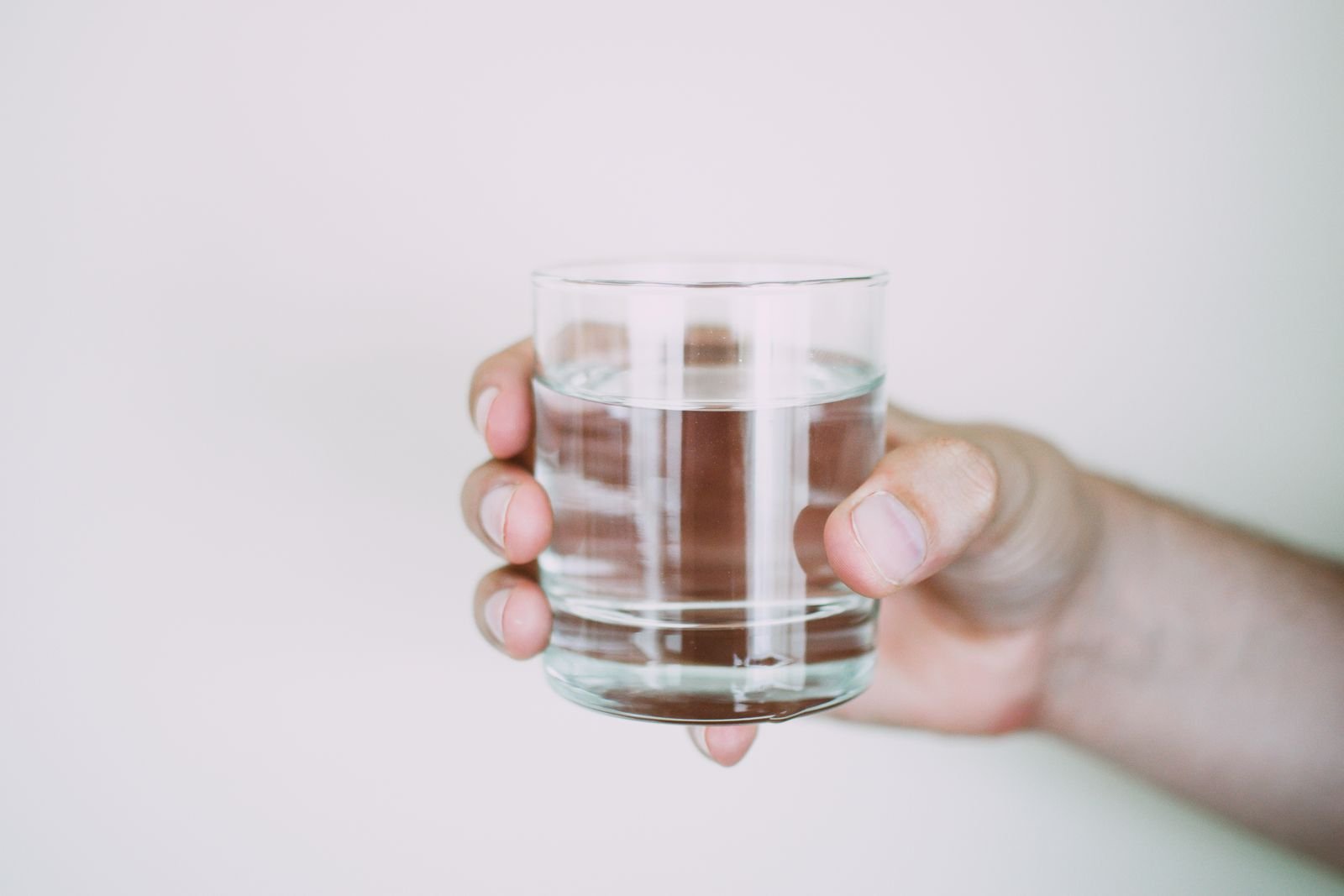
- Drink a glass of water slowly and steadily
- Breathe into a paper bag briefly to increase carbon dioxide levels
- Gently pull on your tongue, which can stimulate the nerve involved in the reflex
- Swallow a small spoonful of sugar or honey
None of these methods work for everyone, but they interrupt the normal breathing pattern enough to reset the diaphragm in many cases.
When Hiccups Need Medical Attention
- Hiccups last longer than 48 hours
- They interfere with eating, sleeping, or breathing
- They come with chest pain, difficulty swallowing, or vomiting
- They keep recurring frequently over weeks with no clear trigger
Persistent hiccups lasting more than 48 hours can occasionally point to an issue affecting the diaphragm or the nerves controlling it, and are worth having assessed.
FAQs
Why do hiccups happen for no reason?
Often there is a mild trigger, such as swallowed air or a temperature change, that isn’t immediately obvious, though occasionally hiccups do seem to start spontaneously.
Is holding your breath the best way to stop hiccups?
It works for many people by increasing carbon dioxide levels and helping reset the diaphragm’s rhythm, though no single method works universally.
Can hiccups be a sign of something serious?
Occasional hiccups are harmless, but hiccups lasting more than 48 hours or interfering with daily activities are worth having checked.
Why do I get hiccups every time I eat?
Because eating is the most common trigger. Eating quickly, swallowing air, drinking fizzy drinks with a meal, or eating a very large meal can all set off the reflex. Use the diary above for a week: if hiccups follow rushed meals, slow down and chew properly; if they follow fizzy drinks, try still water instead.
Can stress alone cause hiccups?
Yes, occasionally. Stress and strong emotions can change your breathing pattern and affect the nerves that control the diaphragm. If hiccups tend to appear on stressful days and not on calm ones, stress is the likely trigger. They should still settle within minutes, and the 48 hour rule still applies.
Conclusion
Hiccups are a harmless, involuntary reflex usually triggered by eating habits, carbonated drinks, or sudden temperature changes, and typically resolve within minutes. Hiccups that persist beyond 48 hours or interfere with daily life are worth discussing with a doctor.
Sources
- NHS, Hiccups: https://www.nhs.uk/conditions/hiccups/
Last reviewed: August 2026. This article is for general information only and does not replace professional medical advice. If hiccups last more than 48 hours, please speak to a GP.