
Protein and Healthy Nutrition: Everything You Need to Know
Protein is one of the most important nutrients in the human diet. It helps build and repair tissues, supports muscle growth, contributes to immune function, and plays a role in countless processes that keep the body functioning properly. Whether your goal is maintaining a healthy weight, improving fitness, supporting healthy ageing, or simply eating a balanced diet, understanding protein and healthy nutrition is essential.
Many people associate protein with athletes and bodybuilders, but protein is important for everyone. Every cell in the body contains protein, and your body relies on a steady supply from food to maintain normal health. Unlike some nutrients that can be stored for long periods, protein is constantly being broken down and rebuilt. This means your daily diet should provide enough protein to support your body’s needs.
This guide explains what protein is, how it works, the different types of protein, the best food sources, daily requirements, and practical ways to include more protein in a healthy eating pattern.
Facts About Protein
Before exploring the details, here are some important facts about protein:
- Protein is one of the three macronutrients, alongside carbohydrates and fats.
- Proteins are made from amino acids, often called the building blocks of life.
- The human body uses protein for growth, repair, and maintenance.
- Protein helps maintain muscle mass and supports recovery after physical activity.
- Both plant-based and animal-based foods can provide protein.
- Most healthy adults need protein every day to support normal bodily functions.
- Protein-rich foods often help people feel fuller for longer.
What Is Protein?
Protein is a macronutrient made up of amino acids. These amino acids combine in different ways to form proteins that perform specific functions throughout the body.
Protein is found in muscles, skin, organs, blood, hair, nails, and nearly every tissue in the body. It helps create enzymes, hormones, antibodies, and structural components that keep the body functioning properly.
Unlike vitamins and minerals, protein also provides energy. Each gram of protein supplies approximately four calories. However, its primary role is not energy production. Instead, protein is mainly responsible for building, maintaining, and repairing tissues.
Proteins Are Made of Amino Acids
Amino acids are small molecules that join together to form proteins. There are 20 amino acids commonly used by the human body.
Each protein has a unique amino acid structure, allowing it to perform specific tasks. Some proteins help transport oxygen through the blood, while others help digest food or support the immune system.
Without amino acids, the body would not be able to build the proteins required for life.
Essential and Non-Essential Amino Acids
The body can produce some amino acids on its own. These are known as non-essential amino acids.
However, nine amino acids must come from food because the body cannot produce them. These are called essential amino acids.
The nine essential amino acids include:
- Histidine
- Isoleucine
- Leucine
- Lysine
- Methionine
- Phenylalanine
- Threonine
- Tryptophan
- Valine
Foods that contain all nine essential amino acids are considered complete protein sources.
Functions of Protein in the Body
Protein performs many important functions beyond building muscle. In fact, every organ system relies on protein in some way.
Muscle Growth and Repair
One of the proteins’ best-known roles is supporting muscle growth and recovery.
Physical activity creates small amounts of stress within muscle fibers. Protein supplies the amino acids needed to repair and rebuild those fibers.
This process is especially important for:
- Strength training
- Resistance exercise
- Endurance sports
- Recovery after injury
Adequate protein intake helps preserve lean muscle mass and supports physical performance.
Hormones and Enzymes
Many hormones and enzymes are made from protein.
Hormones help regulate important functions such as:
- Growth
- Appetite
- Metabolism
- Blood sugar control
- Reproduction
Enzymes help speed up chemical reactions involved in digestion, energy production, and cellular maintenance.
Without sufficient protein, these systems cannot function efficiently.
Immune Health
Protein is necessary for the production of antibodies.
Antibodies help identify and fight harmful bacteria, viruses, and other pathogens. When protein intake is too low, immune function may become compromised.
A balanced diet that includes adequate protein supports the body’s natural defense system.
Healthy Ageing
Maintaining muscle mass becomes increasingly important with age.
Many older adults gradually lose muscle through a process known as sarcopenia. This can affect strength, balance, and independence.
Research suggests that adequate protein intake combined with regular physical activity may help reduce age-related muscle loss and support healthy ageing.
Types of Protein
Not all proteins are the same. Different foods provide different amino acid profiles.
Understanding protein quality can help people make informed dietary choices.
Complete Proteins
Complete proteins contain all nine essential amino acids in sufficient amounts.
Common examples include:
- Eggs
- Fish
- Poultry
- Beef
- Dairy products
- Soy foods
- Quinoa
These foods provide a full amino acid profile and are often considered high-quality protein sources.
Incomplete Proteins
Incomplete proteins lack one or more essential amino acids.
Examples include:
- Beans
- Lentils
- Nuts
- Seeds
- Whole grains
Although individual plant foods may be incomplete proteins, eating a variety of plant foods throughout the day can provide all essential amino acids needed for good health.
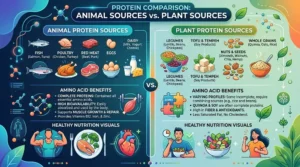
Animal Sources of Protein
Animal foods are among the richest and most concentrated sources of protein.
Many also provide important nutrients such as vitamin B12, iron, zinc, selenium, and omega-3 fatty acids.
Common animal-based protein sources include:
Poultry
Chicken and turkey are popular lean protein choices.
They are relatively low in saturated fat while providing substantial amounts of high-quality protein.
Fish and Seafood
Fish offers protein along with beneficial omega-3 fatty acids.
Examples include:
- Salmon
- Tuna
- Sardines
- Mackerel
- Cod
These foods can support both heart health and overall nutrition.
Eggs
Eggs contain high-quality protein and a complete amino acid profile.
They are versatile, affordable, and nutrient-dense.
Dairy Products
Dairy foods such as milk, Greek yogurt, cottage cheese, and cheese provide protein alongside calcium and other essential nutrients.
Greek yogurt is particularly popular because of its high protein content.
Lean Red Meat
Lean cuts of beef and lamb can contribute valuable protein, iron, and vitamin B12.
Choosing lean cuts and consuming them in moderation can support a balanced dietary pattern.
Plant-Based Sources of Protein
Plant proteins have become increasingly popular due to health, environmental, and ethical considerations.
Many plant foods provide protein while also supplying fiber, vitamins, minerals, and beneficial plant compounds.
Beans and Lentils
Beans and lentils are among the best plant-based protein sources.
Examples include:
- Black beans
- Kidney beans
- Chickpeas
- Lentils
- Cannellini beans
They also provide fiber that supports digestive health.
Soy Foods
Soy is one of the few plant foods considered a complete protein.
Popular soy products include:
- Tofu
- Tempeh
- Edamame
- Soy milk
Nuts and Seeds
Nuts and seeds provide protein along with healthy fats.
Examples include:
- Almonds
- Walnuts
- Pistachios
- Chia seeds
- Pumpkin seeds
- Sunflower seeds
Whole Grains
Some grains contribute meaningful amounts of protein.
Examples include:
- Quinoa
- Oats
- Brown rice
- Buckwheat
Combining grains with legumes can improve amino acid balance and overall protein quality.
Protein Content of Common Foods
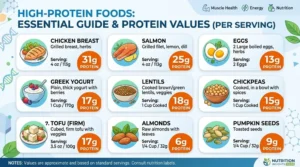
Understanding how much protein different foods contain can help you plan balanced meals and meet your daily requirements more easily.
The table below shows approximate protein content per 100 grams of common foods.
| Food | Protein (per 100g) |
|---|---|
| Chicken Breast | 31g |
| Turkey Breast | 29g |
| Tuna | 25g |
| Salmon | 22g |
| Lean Beef | 26g |
| Eggs | 13g |
| Greek Yogurt | 10g |
| Cottage Cheese | 11g |
| Tofu | 8g |
| Tempeh | 19g |
| Lentils (cooked) | 9g |
| Chickpeas (cooked) | 9g |
| Black Beans (cooked) | 8g |
| Edamame | 11g |
| Quinoa (cooked) | 4g |
| Almonds | 21g |
| Pumpkin Seeds | 30g |
It is important to remember that protein quality matters as much as quantity. A balanced diet should include a variety of protein sources to ensure a wide range of amino acids and nutrients.
Top 10 High-Protein Foods
If your goal is increasing protein intake, these foods are among the best choices:
- Chicken breast
- Turkey breast
- Tuna
- Salmon
- Eggs
- Greek yogurt
- Cottage cheese
- Lentils
- Tofu
- Pumpkin seeds
Including several of these foods throughout the day can make it easier to meet protein requirements.
How Much Protein Do You Need Per Day?
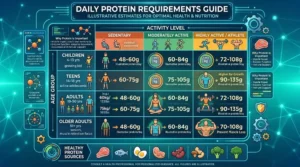
Protein requirements vary depending on age, body weight, activity level, health status, and personal goals.
While there is no single amount that suits everyone, there are general recommendations that can help.
Adults
Most healthy adults require approximately 0.75 grams of protein per kilogram of body weight each day.
Examples:
| Body Weight | Approximate Daily Protein Need |
|---|---|
| 50kg | 38g |
| 60kg | 45g |
| 70kg | 53g |
| 80kg | 60g |
| 90kg | 68g |
These figures represent minimum requirements for maintaining basic health.
Active Individuals
People who exercise regularly often require more protein.
Physical activity increases muscle repair and recovery demands.
Many sports nutrition experts recommend:
- 1.2 to 1.6 grams per kilogram for recreational exercisers
- 1.6 to 2.2 grams per kilogram for strength athletes
For example, a physically active person weighing 70kg may benefit from consuming between 84 and 154 grams of protein daily depending on training intensity.
Older Adults
As people age, maintaining muscle mass becomes more challenging.
Research suggests that older adults may benefit from protein intakes closer to:
- 1.0 to 1.2 grams per kilogram daily
This may help support mobility, independence, and healthy ageing.
Pregnant and Breastfeeding Women
Protein needs increase during pregnancy and breastfeeding because the body is supporting growth and development.
Healthcare professionals can provide individualized recommendations, but requirements are generally higher than those of non-pregnant adults.
Protein and Weight Loss
Protein is often considered one of the most helpful nutrients for weight management.
Unlike many highly processed foods, protein-rich foods tend to be satisfying and can help people feel full for longer periods.
Protein Helps Control Appetite
Protein influences hormones that regulate hunger and fullness.
Many people find that meals containing adequate protein reduce cravings between meals.
For example:
Breakfast:
- Eggs
- Greek yogurt
- Cottage cheese
May provide greater satiety than a breakfast based primarily on refined carbohydrates.
Protein Supports Muscle Preservation During Weight Loss
When losing weight, people often lose both body fat and muscle mass.
Adequate protein intake combined with physical activity may help preserve lean muscle while reducing body fat.
Maintaining muscle mass is important because muscle contributes to daily energy expenditure and physical function.
Protein and Thermic Effect of Food
The body uses energy to digest food.
Protein has a higher thermic effect compared with fats and carbohydrates.
This means the body burns slightly more calories digesting protein-rich foods.
While this effect is not a magic solution for weight loss, it may contribute modestly to overall energy expenditure.
Protein and Exercise
A Protein and exercise work together to support fitness, strength, recovery, and performance.
Protein Before Exercise
Eating protein before training may help provide amino acids that support muscle maintenance.
Examples include:
- Greek yogurt
- Eggs
- Milk
- Cottage cheese
A balanced meal consumed one to three hours before exercise often provides sufficient protein.
Protein After Exercise
Following exercise, protein supports muscle repair and recovery.
Examples of post-workout protein foods include:
- Chicken and rice
- Tuna sandwich
- Greek yogurt with fruit
- Protein smoothie
- Eggs on wholegrain toast
The total amount of protein consumed throughout the day appears more important than perfect timing.
Protein and Muscle Growth
Muscle growth occurs when protein synthesis exceeds muscle breakdown.
Resistance training provides the stimulus.
Protein provides the building blocks.
Both are necessary for optimal results.
Simply eating large amounts of protein without regular exercise is unlikely to produce significant muscle growth.
Signs of Protein Deficiency
Protein deficiency is relatively uncommon in developed countries, but inadequate intake can still occur.
Common Symptoms
Potential signs include:
- Fatigue
- Weakness
- Loss of muscle mass
- Increased hunger
- Slow recovery after illness
- Hair thinning
- Brittle nails
- Poor wound healing
These symptoms can also have other causes, so professional medical advice may be appropriate if concerns arise.
Who Is Most at Risk?
Certain groups may struggle to meet their protein needs:
- Older adults
- Individuals with poor appetite
- People following highly restrictive diets
- Individuals recovering from illness
- Some vegetarians and vegans with poorly planned diets
Proper meal planning can usually prevent deficiencies.
Protein for Women
Protein plays an important role in women’s health throughout life.
Many women focus on calories but overlook the importance of adequate protein intake.
Protein supports:
- Muscle maintenance
- Bone health
- Hormone production
- Recovery after exercise
- Healthy ageing
Protein During Weight Loss
Women attempting to lose weight may benefit from higher protein intake because it can help preserve lean muscle mass while reducing body fat.
Protein and Menopause
During menopause, hormonal changes may contribute to muscle loss and changes in body composition.
Including sufficient protein alongside resistance exercise may help support strength and overall health.
Protein for Older Adults
One topic often overlooked by competitors is protein and ageing.
Age-related muscle loss can begin as early as middle age and gradually accelerate over time.
Why Older Adults Need Protein
Adequate protein may help support:
- Mobility
- Balance
- Independence
- Muscle maintenance
- Recovery from illness
Practical Protein Tips for Seniors
Simple strategies include:
- Include protein at every meal.
- Choose protein-rich snacks.
- Add Greek yogurt to breakfast.
- Include beans and lentils in soups.
- Use milk in porridge and cereals.
- Prioritize nutrient-dense foods.
Combined with regular activity, these habits may support healthy ageing and quality of life.
Can You Eat Too Much Protein?
Protein is an essential nutrient, but more is not always better.
Many people worry that high-protein diets may damage health. For most healthy individuals, moderate increases in protein intake are generally considered safe. However, extremely high intakes may not provide additional benefits and can sometimes create dietary imbalances.
Potential Concerns of Excessive Protein Intake
Very high protein consumption may:
- Reduce intake of other important nutrients if the diet becomes unbalanced
- Increase reliance on highly processed protein products
- Lead to excessive calorie intake
- Causes digestive discomfort in some people
For individuals with existing kidney disease, protein intake should be discussed with a healthcare professional because specific dietary adjustments may be required.
The Importance of Balance
Healthy nutrition is about balance.
Rather than focusing exclusively on protein, aim to include:
- Fruits
- Vegetables
- Whole grains
- Healthy fats
- Lean protein sources
This approach supports overall health and provides a broader range of nutrients.
Protein Powders and Supplements
Protein powders have become increasingly popular among fitness enthusiasts, athletes, and busy individuals.
However, many people wonder whether they actually need them.
What Are Protein Powders?
Protein powders are concentrated protein products made from sources such as:
- Whey
- Casein
- Soy
- Pea protein
- Rice protein
- Hemp protein
They are commonly mixed with water, milk, or smoothies.
Who May Benefit from Protein Supplements?
Protein powders may be useful for:
- Athletes with higher protein requirements
- Individuals with limited time for meal preparation
- Older adults struggling to meet protein needs
- People recovering from illness or injury
- Those with reduced appetite
Whole Foods vs Protein Supplements
Whole foods should generally be the primary source of protein because they provide:
- Vitamins
- Minerals
- Fiber
- Healthy fats
- Phytonutrients
Protein powders can be convenient, but they should complement rather than replace nutritious meals.
Choosing a Protein Supplement
When selecting a supplement:
- Check the ingredient list.
- Avoid excessive added sugars.
- Look for third-party testing when possible.
- Choose a product appropriate for your dietary preferences.
A simple protein powder with minimal ingredients is often a practical choice.
Common Protein Myths
There is a great deal of misinformation surrounding protein.
Let’s address some of the most common myths.
Myth 1: Only Athletes Need Protein
Protein is essential for everyone.
Every person requires protein to support growth, repair, immune function, and overall health.
Myth 2: Plant Proteins Are Inferior
Plant proteins can absolutely contribute to a healthy diet.
While some plant foods contain lower amounts of certain amino acids, consuming a variety of plant foods throughout the day can provide all essential amino acids.
Mistake 3: More Protein Always Means More Muscle
Muscle growth requires:
- Adequate protein
- Resistance training
- Recovery
- Consistency
Simply consuming large amounts of protein without exercise is unlikely to produce significant muscle gains.
Myth 4: Protein Damages Healthy Kidneys
Current evidence suggests that higher protein intakes are generally safe for healthy individuals.
People with existing kidney conditions should follow medical advice regarding protein intake.
Myth 5: Protein Powders Are Necessary
Most people can meet their protein requirements through food.
Supplements may be convenient but are not required for good health.
Simple Ways to Eat More Protein
Increasing protein intake does not have to be complicated.
Small dietary changes can make a significant difference.
Start Breakfast with Protein
Instead of relying solely on refined carbohydrates, consider:
- Eggs
- Greek yogurt
- Cottage cheese
- Protein-rich oats
Include Protein at Every Meal
Examples include:
Breakfast:
- Eggs
- Yogurt
Lunch:
- Chicken
- Tuna
- Lentils
Dinner:
- Fish
- Lean meat
- Tofu
Choose High-Protein Snacks
Examples include:
- Greek yogurt
- Cottage cheese
- Boiled eggs
- Nuts
- Edamame
Use Plant Proteins More Often
Adding:
- Beans
- Lentils
- Chickpeas
- Tofu
can increase protein intake while providing fiber and other beneficial nutrients.
Plan Ahead
Meal planning can make it easier to meet protein requirements consistently throughout the week.
Frequently Asked Questions
What is the best source of protein?
There is no single best source. High-quality options include eggs, fish, poultry, dairy products, soy foods, lentils, beans, and nuts.
How much protein should I eat per day?
Most healthy adults need approximately 0.75 grams of protein per kilogram of body weight, although active individuals often require more.
Is protein good for weight loss?
Protein can support weight management by helping people feel fuller and by supporting muscle maintenance during calorie reduction.
Can vegetarians get enough protein?
Yes. Well-planned vegetarian diets can provide sufficient protein through foods such as lentils, beans, tofu, tempeh, dairy products, and eggs.
Are protein shakes healthy?
Protein shakes can be useful when whole food options are limited. However, whole foods should remain the foundation of a healthy diet.
What happens if you don’t get enough protein?
Low protein intake may contribute to muscle loss, fatigue, weakness, slow recovery, and poor overall health.
Is it better to eat protein before or after exercise?
Both can be beneficial. What matters most is consuming adequate protein throughout the day.
Key Takeaways
- Protein is a vital macronutrient needed for growth, repair, and maintenance.
- Amino acids are the building blocks of protein.
- Both plant and animal foods can provide high-quality protein.
- Protein supports muscle growth, recovery, immune function, and healthy ageing.
- Adequate protein intake may help with appetite control and weight management.
- Most people can meet their protein needs through whole foods.
- A balanced diet remains the most effective approach to healthy nutrition.
Conclusion
Protein is one of the most important nutrients in a healthy diet. It supports nearly every system in the body, from muscles and bones to hormones, enzymes, and immune defenses. Whether your goal is maintaining general health, supporting an active lifestyle, managing weight, or ageing well, adequate protein intake plays an important role.
The good news is that protein is available from a wide variety of foods. Lean meats, fish, eggs, dairy products, beans, lentils, nuts, seeds, and soy foods can all contribute to meeting daily requirements. Rather than focusing on a single protein source, aim for variety and balance across your meals.
For most people, prioritizing whole foods, spreading protein intake throughout the day, and combining good nutrition with regular physical activity provides a practical foundation for long-term health. Protein supplements may be helpful in certain situations, but they should complement a nutritious eating pattern rather than replace it.
By understanding how protein works and making informed food choices, you can build eating habits that support energy levels, muscle maintenance, recovery, and overall wellbeing for years to come.
Last reviewed: August 2026. This article is for general information only and does not replace professional dietary advice. Speak to a GP or registered dietitian for guidance tailored to your individual needs.