
That sharp, sudden zing from an ice-cold drink or a gust of cold air is a common complaint, and it usually points to something specific happening at the surface of the tooth. Most cases are manageable once the underlying cause is identified.
Quick Answer
Cold sensitivity is most often caused by worn enamel, gum recession exposing the tooth root, or a cavity. Cracked teeth, recent dental work, and teeth grinding are also common causes worth ruling out.
Common Causes of Cold Sensitivity
Worn Enamel
Enamel protects the sensitive layer beneath it. When it wears down from acidic foods, aggressive brushing, or age, the underlying dentin becomes exposed, allowing cold to reach the nerve more easily.
Gum Recession
When gums pull back, whether from gum disease, aggressive brushing, or ageing, the tooth root is exposed. Roots lack the protective enamel layer, making them significantly more sensitive to temperature. Gum recession often shows up as bleeding too. See our guide on why gums might bleed when you brush.
Tooth Decay
A cavity creates a direct path for cold and other stimuli to reach the nerve inside the tooth, often causing sharp, localised sensitivity in one specific tooth.
Cracked Tooth
A crack, even a small one not visible to the eye, can allow temperature changes to reach the nerve, often causing sharp pain specifically when biting down or releasing pressure.
Recent Dental Work
Fillings, crowns, or whitening treatments can cause temporary sensitivity as the tooth adjusts, which typically settles within a few days to a couple of weeks.
Teeth Grinding (Bruxism)
Grinding, often happening unconsciously during sleep, gradually wears down enamel, increasing sensitivity over time, frequently alongside jaw discomfort or headaches. If headaches are a recurring issue, see our guide on why you might keep getting headaches.
Acidic Diet
Frequent consumption of acidic foods and drinks, such as citrus, soda, or wine, can erode enamel over time, leaving teeth more vulnerable to temperature sensitivity.
Whitening Products
Some whitening treatments can temporarily increase sensitivity by affecting the outer layers of the tooth, usually resolving once the treatment course ends.
How to Reduce Cold Sensitivity
- Use a toothpaste specifically formulated for sensitive teeth, used consistently over several weeks
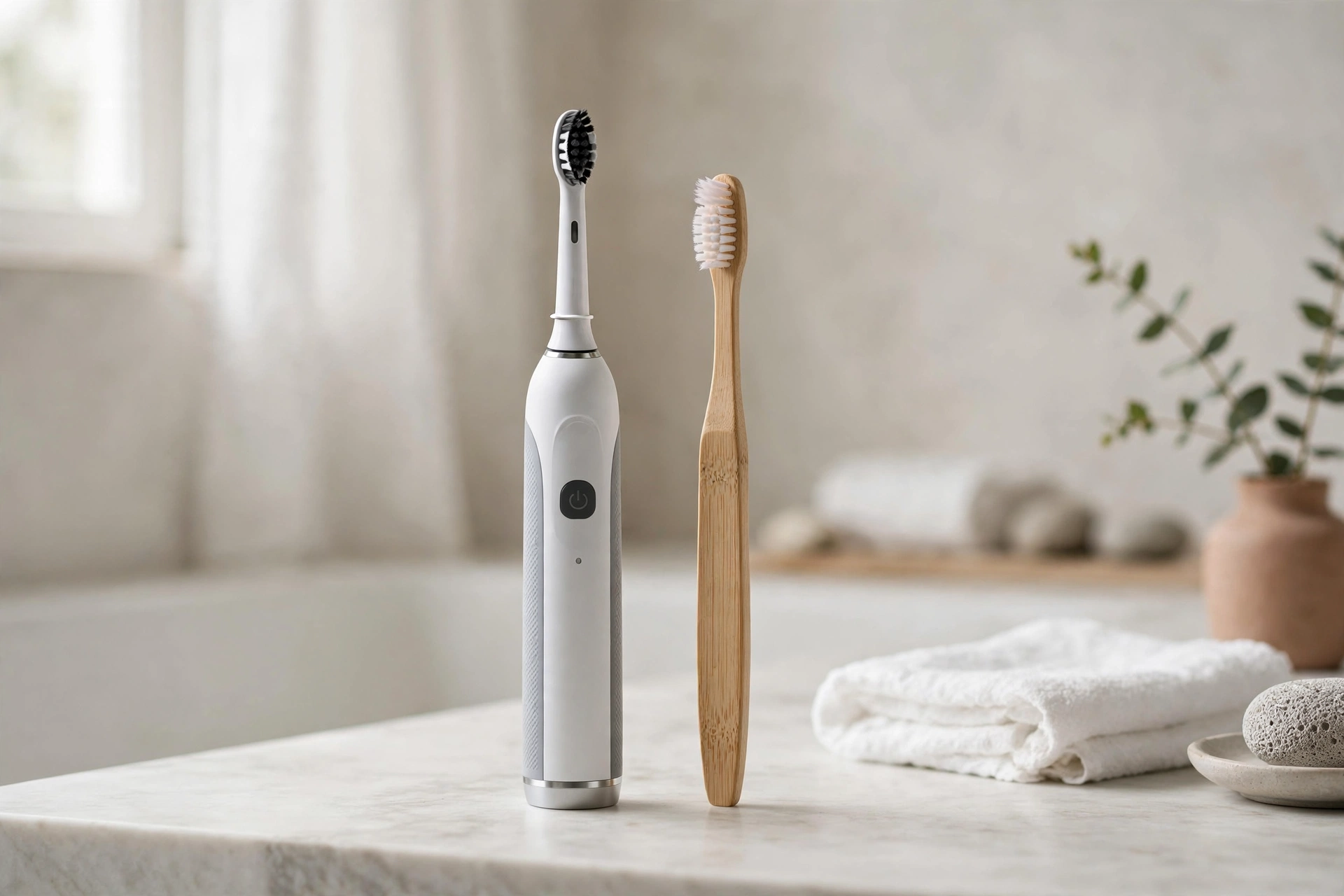
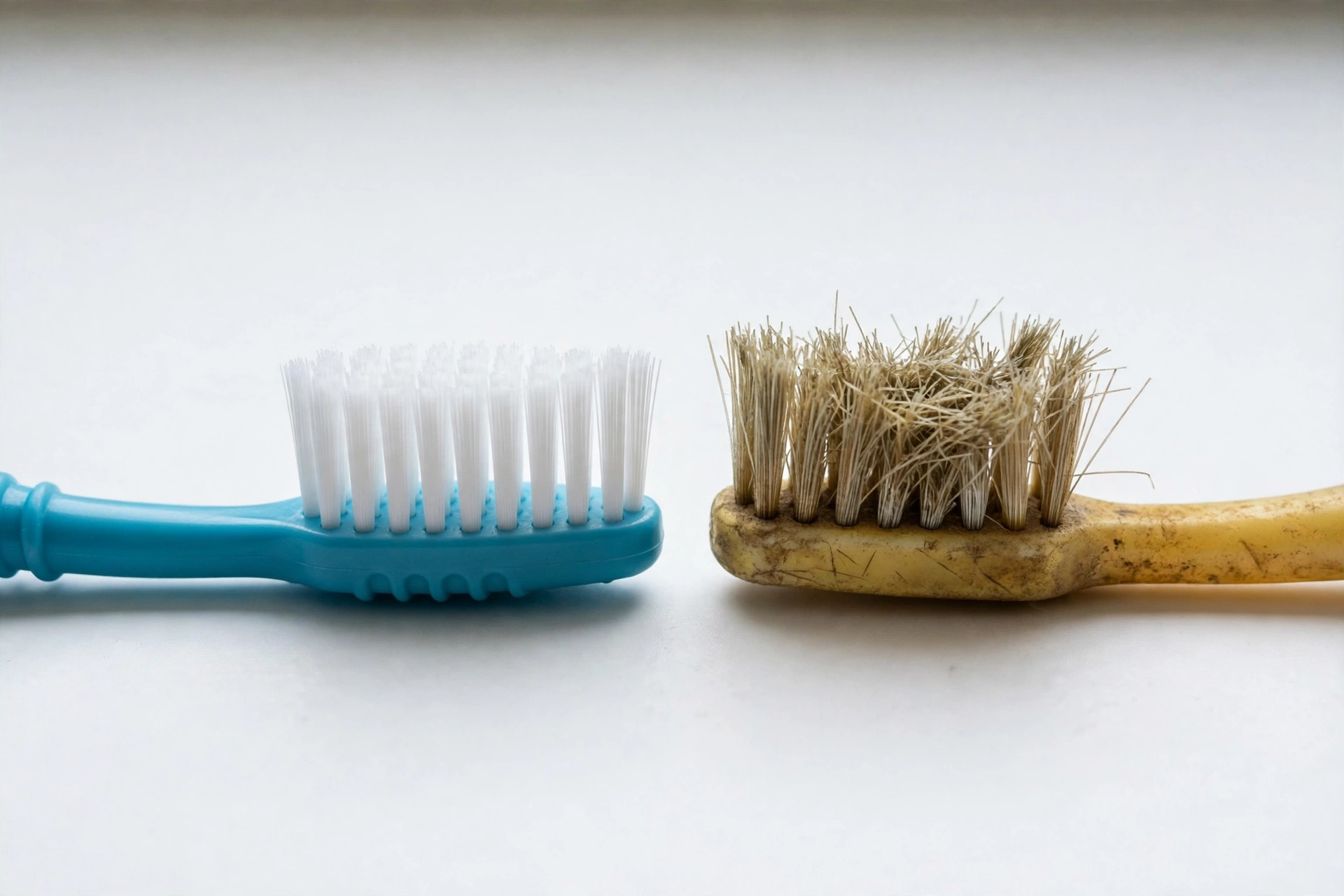
- Switch to a soft-bristled toothbrush and gentle brushing technique
- Limit acidic foods and drinks, or rinse with water afterward
- Avoid brushing immediately after acidic foods, when enamel is temporarily softened
- Ask your dentist about a night guard if grinding is suspected
- Consider a fluoride treatment or dental sealant for added protection
When to See a Dentist
- Sensitivity is sharp, localised to one tooth, and doesn’t improve
- Pain occurs specifically when biting down
- Sensitivity started suddenly with no recent dental work or diet change
- You notice visible gum recession or a change in tooth colour
- Over-the-counter sensitive toothpaste hasn’t helped after several weeks
FAQs
Is sensitivity to cold always a sign of a cavity?
No. Worn enamel and gum recession are more common causes, though a cavity should be ruled out if sensitivity is localised to one specific tooth.
Can sensitive toothpaste really work?
Yes, for many people. These toothpastes work by blocking the tiny channels in exposed dentin, but they typically need a few weeks of consistent use to show a noticeable effect.
Why did my teeth suddenly become sensitive after whitening?
Whitening products can temporarily affect the outer layer of enamel, increasing sensitivity. This usually settles within a few days to a couple of weeks after treatment ends.
Conclusion
Cold sensitivity usually comes down to worn enamel, gum recession, or an early cavity, all of which are manageable once identified. Sensitive toothpaste and gentler oral care resolve many mild cases, but sharp, localised, or worsening sensitivity is worth having checked by a dentist.
Last reviewed: August 2026. This article is for general information only and does not replace professional dental advice. If sensitivity is sharp or localised, please see a dentist.