
What Is Selenium?
Selenium is an essential trace mineral that your body needs in small amounts to function properly. Even though it is required in tiny quantities, it plays a powerful role in maintaining overall health. Many people search for selenium benefits because this nutrient is directly linked to immunity, metabolism, and cellular protection.
Unlike vitamins that your body cannot produce, selenium must be obtained through diet or supplements. It is naturally found in soil, which means the amount in food depends on where it is grown. This makes understanding selenium-rich foods especially important for maintaining balanced nutrition.
What Does Selenium Do in the Body?
To fully understand selenium benefits, it helps to know how it works inside the body. Selenium acts mainly as an antioxidant, meaning it protects your cells from damage caused by free radicals.
Antioxidant Protection
Selenium helps reduce oxidative stress, which is linked to aging and many chronic diseases. This makes it an important nutrient for long-term health.
Thyroid Function
The thyroid gland contains high amounts of selenium. It helps regulate thyroid hormones, which control metabolism and energy levels.
Immune System Support
Selenium strengthens the immune system by supporting white blood cell function. This is why many people look into selenium immune system benefits.
Cellular Repair
It plays a role in DNA repair and cell protection, helping your body maintain healthy tissues.
Top Science-Based Selenium Benefits
Here are the most important selenium benefits supported by research and widely covered high-ranking content.
Reduces Oxidative Stress
Selenium acts as a powerful antioxidant, reducing inflammation and protecting cells from damage.
Supports Thyroid Health
Proper selenium intake ensures your thyroid functions efficiently, preventing imbalances.
Boosts Immunity
One of the key selenium benefits is improved immune response, helping your body fight infections.
Promotes Heart Health
Selenium may help reduce inflammation and improve blood circulation, lowering the risk of heart disease.
Supports Brain Function
Some studies suggest selenium may help reduce cognitive decline and support brain health.
May Reduce Cancer Risk
Although more research is needed, selenium may play a role in lowering the risk of certain cancers due to its antioxidant properties.
Selenium Rich Foods List
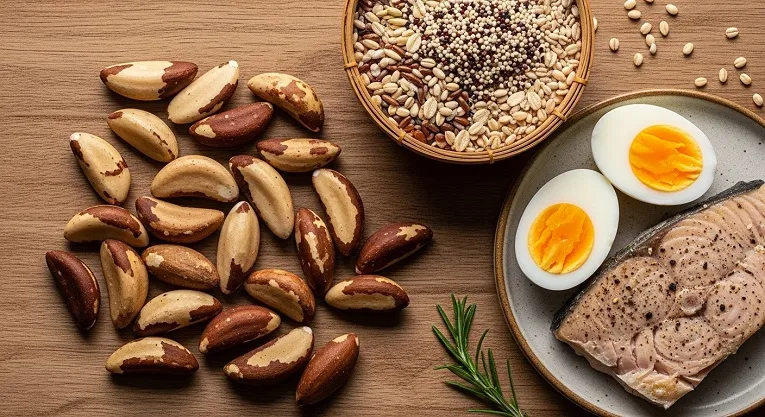
Getting selenium from natural sources is the best approach. Here are some of the top foods high in selenium:
- Brazil nuts
- Tuna and salmon
- Eggs
- Whole grains
- Sunflower seeds
- Chicken and turkey
Brazil nuts are especially rich in selenium and can meet your daily needs with just one or two nuts.
Including a variety of selenium-rich foods in your diet ensures balanced intake without the risk of overdose.
How Much Selenium Per Day Do You Need?
Understanding the correct dosage is essential when learning about selenium benefits.
- Adults need around 55 micrograms per day
- Pregnant women may need slightly more
- The upper safe limit is about 400 micrograms per day
Consuming too little can lead to deficiency, while too much can cause toxicity. This is why balance is key.
Selenium Deficiency Symptoms and Causes
Selenium deficiency is not very common, but it can happen in certain conditions.
Symptoms of Selenium Deficiency
- Fatigue
- Weak immune system
- Hair loss
- Muscle weakness
- Brain fog
Causes
- Poor diet
- Living in low selenium soil regions
- Digestive disorders
If you notice symptoms of selenium deficiency, improving your diet is usually the first step.
Risks of Too Much Selenium
While selenium benefits are impressive, excessive intake can be harmful.
Signs of Selenium Toxicity
- Nausea
- Hair loss
- Brittle nails
- Metallic taste in the mouth
This condition is rare but can occur with the overuse of supplements. Always stay within recommended limits.
Should You Take Selenium Supplements?
Many people wonder whether supplements are necessary to get selenium benefits.
When Supplements May Help
- If you have a deficiency
- If your diet lacks selenium-rich foods
- If advised by a healthcare professional
Food vs Supplements
Natural food sources are safer and provide additional nutrients. Supplements should only be used when needed.
Best Time to Take Selenium for Maximum Absorption
Timing can influence how well your body absorbs selenium.
- Selenium is best taken with food
- Morning or afternoon intake is ideal
- Avoid taking high doses at night
Taking selenium with meals improves absorption and reduces the risk of stomach discomfort.
Selenium for Men and Women
Selenium benefits also differ somewhat by gender.
For Men
Selenium may support fertility and improve sperm quality.
For Women
It helps regulate hormones and supports thyroid health, especially during hormonal changes.
Who Should Take Selenium?
Certain groups may benefit more from selenium intake:
- People with thyroid issues
- Individuals with weak immunity
- Those on restricted diets
- Older adults
Understanding who should take selenium helps avoid unnecessary supplementation.
Selenium Supplement vs Food
This comparison is important for making the right choice.
Food Advantages
- Safer
- Balanced nutrients
- Lower risk of overdose
Supplement Advantages
- Convenient
- Useful for deficiency
In most cases, food is the better option for getting selenium benefits naturally.
How to Increase Selenium Naturally
Here are simple ways to boost your selenium intake:
- Add Brazil nuts to your diet
- Eat more seafood and whole grains
- Choose nutrient-rich foods
- Maintain a balanced diet
These strategies help improve selenium levels without relying on supplements.
Common Mistakes People Make With Selenium
Avoid these common errors:
- Taking too many supplements
- Ignoring natural food sources
- Not checking daily intake levels
- Assuming more selenium means better results
Balanced intake is the key to maximizing selenium benefits safely.
Selenium and Skin, Hair, and Fertility
Selenium also plays a role in skin, hair, and fertility health.
- Selenium supports healthy skin by reducing oxidative stress
- It helps maintain strong hair and nails
- It may improve fertility in men
These benefits make selenium an important part of overall wellness.
FAQs About Selenium
Is selenium good for you?
Yes, selenium is essential for immunity, thyroid function, and overall health.
How much selenium per day is safe?
Around 55 micrograms per day for adults.
Can you take selenium daily?
Yes, as long as you stay within recommended limits.
What happens if you take too much selenium?
It can lead to toxicity and unwanted side effects.
Conclusion
Selenium is a powerful nutrient that plays a vital role in maintaining health. From supporting thyroid function to boosting immunity, the list of selenium benefits is extensive. The best way to maintain healthy levels is through a balanced diet rich in natural foods. Supplements can help in specific cases, but they should be used carefully.
By understanding proper intake, food sources, and potential risks, you can safely enjoy all the selenium benefits while improving your overall well-being.