Everyone wants a brighter smile, but professional whitening is expensive and some DIY methods can damage your teeth. The good news is that there are safe, natural ways to brighten your teeth at home. Here’s what actually helps, what to avoid, and when to see a dentist.
First, what actually stains your teeth
Teeth stain for two reasons: surface stains from food and drink, and deeper discolouration inside the tooth. Tea, coffee, red wine, and smoking cause most surface stains, while ageing, certain medications, and trauma cause deeper ones. Natural methods can help with surface stains; deeper discolouration usually needs professional treatment.
Methods that can help
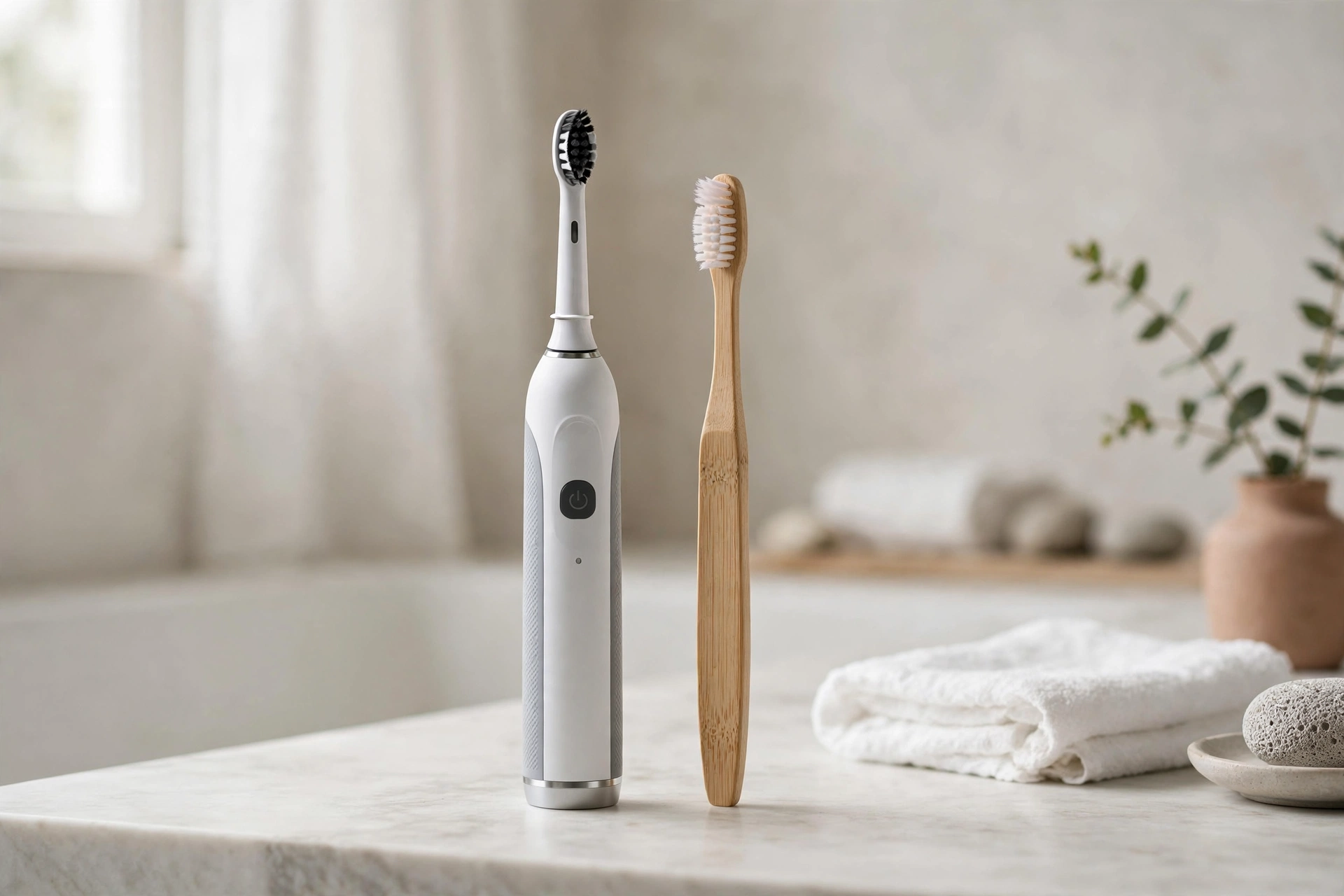
Whitening toothpastes contain mild abrasives that polish away surface stains with daily use. They won’t change the natural colour of your teeth, but they can remove the dull film that makes teeth look yellow. Brushing well matters more than the toothpaste brand: an electric toothbrush with a whitening toothpaste is a solid combination.
Oil pulling, swishing coconut oil around the mouth, is popular online. The evidence is thin, but it’s harmless and may reduce plaque, which can make teeth look slightly brighter. Don’t expect dramatic results.
Baking soda toothpaste is mildly abrasive and has decent evidence for stain removal. Use a commercial baking soda toothpaste rather than scrubbing with neat baking soda, which can be too harsh on enamel.
Methods at a glance
| Method | How well it works | Safety note |
|---|---|---|
| Whitening toothpaste | Modest; removes surface stains | Safe for daily use |
| Baking soda toothpaste | Modest; good for surface stains | Safe in commercial toothpaste; avoid neat powder |
| Oil pulling | Minimal evidence | Harmless, but don’t expect much |
| Hydrogen peroxide rinses (low concentration) | Moderate | Can irritate gums; keep concentration low |
| Avoiding stain-heavy foods and drinks | Prevents new stains | Safe and free |
| Professional whitening | Best results | Done by a dentist; costs more |
Be careful with these DIY methods
Lemon juice and apple cider vinegar are acids that dissolve stains by dissolving enamel too. Charcoal powder is abrasive and can wear enamel and irritate gums. Once enamel is gone, it doesn’t grow back, and teeth can look more yellow as the darker layer beneath shows through. If a method sounds too good to be true, it probably is.
What actually works long term
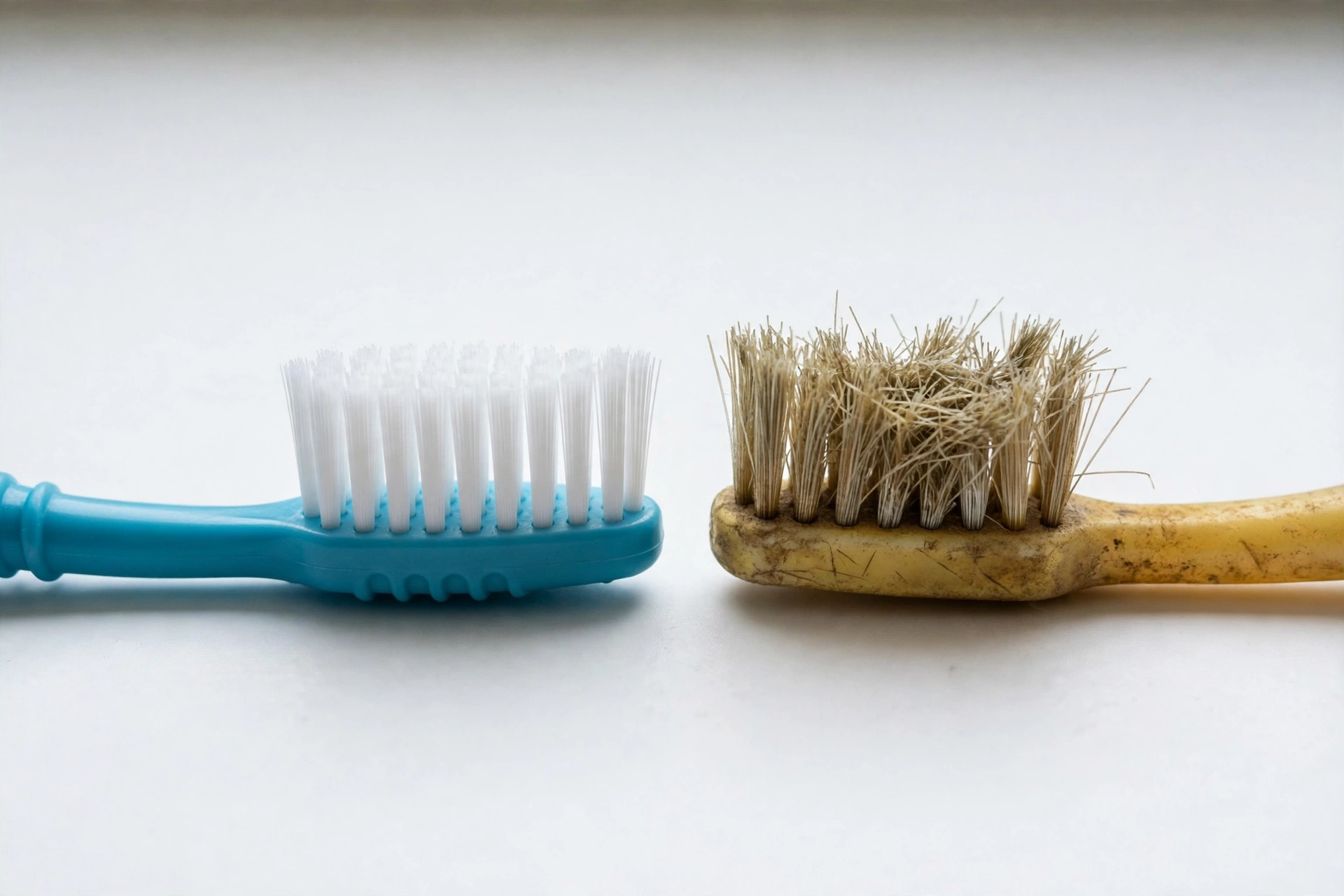
The most effective long-term approach is boring: brush twice a day, floss, avoid smoking, and limit tea, coffee, and red wine. Rinse with water after staining drinks. Good oral hygiene also helps with bad breath, which often shares the same root causes as staining: plaque and poor technique.
See your dentist for a scale and polish, which removes tartar that no home method can shift. If a tooth is dead or badly damaged inside, no whitening method will help; your dentist may suggest a crown, a veneer, or, for a missing tooth, dental implants. For a dramatic colour change on healthy teeth, ask about professional whitening rather than gambling with DIY kits.
FAQs
Does baking soda whiten teeth?
It can help remove surface stains because it’s mildly abrasive. Use a commercial baking soda toothpaste rather than neat powder, which can be too harsh on enamel.
Is oil pulling effective for whitening?
The evidence is weak. It may reduce plaque slightly, which can make teeth look a little brighter, but don’t expect visible whitening.
Are whitening toothpastes safe?
Yes, for daily use. They use mild abrasives to polish away surface stains. They won’t damage enamel when used as directed, but they can’t change your teeth’s natural colour.
How can I whiten my teeth without damaging enamel?
Stick to whitening toothpaste, good brushing technique, and avoiding stain-heavy foods. Avoid acids like lemon juice and abrasive powders like charcoal, which can wear enamel permanently.
This article is for general information only and does not replace professional dental advice. If you have ongoing concerns, see your dentist.