

Spotting a little blood in the sink after brushing is common, but it is never something to simply ignore. Bleeding gums almost always signal that something is irritating or inflaming the gum tissue, and in most cases it is easily reversible once you identify and address the cause.
Quick Answer
Bleeding gums are most often caused by gingivitis from plaque buildup, brushing too hard, or starting a new flossing routine. Less commonly, they can be linked to hormonal changes, vitamin deficiencies, blood-thinning medication, or an underlying health condition.
Common Causes of Bleeding Gums
Gingivitis
The leading cause of bleeding gums, gingivitis develops when plaque builds up along the gumline, causing inflammation. Gums may appear red, swollen, and bleed easily during brushing or flossing. It is fully reversible with good oral hygiene.
Periodontitis
If gingivitis is left untreated, it can progress to periodontitis, a more serious gum infection that damages soft tissue and can eventually affect the bone supporting your teeth.
Brushing Technique
Brushing too hard, or using a toothbrush with stiff bristles, can injure delicate gum tissue and cause bleeding even without underlying disease.
Starting a New Flossing Routine
If you haven’t flossed regularly, your gums may bleed for the first week or two as they adjust. This typically resolves as gum health improves with consistent flossing.
Hormonal Changes
Gum tissue contains oestrogen receptors, which is why bleeding gums are common during pregnancy (“pregnancy gingivitis”), around menstruation, and during menopause, when hormonal shifts increase blood flow and sensitivity in the gums.
Vitamin C Deficiency
Vitamin C is essential for tissue repair. A prolonged deficiency can weaken gum tissue and, in severe and rare cases, lead to scurvy, which classically presents with bleeding, swollen gums.
Vitamin K Deficiency
Vitamin K plays a key role in blood clotting. Low levels can make bleeding, including in the gums, more likely and harder to stop.
Medications
Blood thinners such as aspirin or warfarin reduce the blood’s ability to clot, which can make gums bleed more easily even with normal brushing.
Diabetes
Poorly controlled blood sugar impairs the body’s ability to fight infection, making people with diabetes more prone to gum disease and bleeding.
Ill-Fitting Dentures or Dental Work
Dentures, retainers, or fillings that don’t fit properly can rub against the gums and cause irritation and bleeding at specific points.
Smoking
Smoking masks the early signs of gum disease while actively damaging gum tissue, often leading to more advanced disease before bleeding is even noticed.
The first 7 to 10 days: a day by day routine
No Top 3 page gives a day by day first 7 to 10 days home routine. The aim is to remove plaque gently every day, not to scrub harder.
| Days | What to do | Expect |
|---|---|---|
| Day 1 to 2 | Brush twice a day with a soft brush and fluoride toothpaste | Bleeding may look worse at first |
| Day 3 to 4 | Add flossing or interdental brushes daily | Less blood when you floss |
| Day 5 to 7 | Keep the routine, change a worn brush | Bleeding should start to ease |
| Day 8 to 10 | Full routine every day | Bleeding should have settled |
Do not stop brushing the area that bleeds: stopping lets plaque build up and makes it worse. Change your brush every three months, as our guide on how often to change your toothbrush explains.
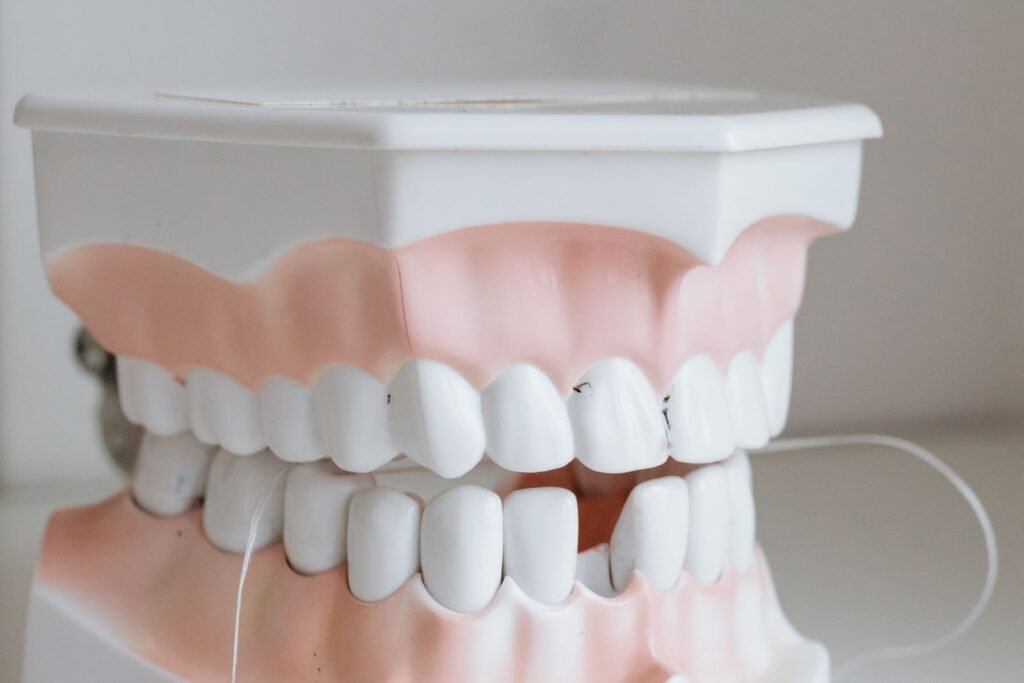
NHS or private hygienist clean
If home care is not enough, a dentist may advise a hygienist clean to remove built-up plaque and tartar. On the NHS in England, a scale and polish is included in the Band 1 charge of £27.90 from 1 April 2026, if clinically necessary. A cosmetic polish is not covered. Private prices vary by practice, so ask for the price before you book. Dental care is free for some people, including children under 18 and people who are pregnant or had a baby in the past 12 months.
When Bleeding Gums Signal Something More Serious
Rarely, unexplained or excessive gum bleeding, especially alongside bruising, fatigue, or frequent infections, can be linked to blood disorders. This is uncommon, but persistent, unexplained bleeding always deserves professional evaluation.
How to Stop Bleeding Gums
- Switch to a soft-bristled toothbrush and use gentle, circular motions
- Floss daily, gently, to remove plaque between teeth
- Use an antiseptic or fluoride mouthwash to reduce bacteria
- Eat a diet rich in vitamin C (citrus, peppers, leafy greens) and vitamin K (leafy greens)
- Stay consistent, gum bleeding from a new routine typically improves within one to two weeks
- Book a professional cleaning to remove built-up plaque and tartar
When to See a Dentist
- Bleeding continues for more than two weeks despite good oral hygiene
- Gums are swollen, receding, or painful
- Teeth feel loose or your bite feels different
- You notice bad breath that doesn’t go away
- Bleeding happens spontaneously, without brushing or flossing
FAQs
Is it normal for gums to bleed a little when I floss?
Occasional light bleeding when you first start flossing regularly is common and usually resolves within one to two weeks as gum health improves.
Can stress cause bleeding gums?
Indirectly, yes. Stress can weaken the immune response and is linked to poorer oral hygiene habits, both of which make gum inflammation more likely. If stress feels constant or hard to pin down, our guide on anxiety without a clear cause may help.
Should I stop brushing the area if my gums bleed?
No. Continuing to gently brush and floss the area is important, since stopping allows plaque to build up further and can worsen the problem.
How long until the bleeding stops?
For most people, bleeding from gingivitis eases within 7 to 10 days of gentle daily brushing and flossing.
Is a hygienist clean free on the NHS?
A scale and polish is included in the Band 1 charge of £27.90 in England from 1 April 2026, if clinically necessary.
Conclusion
Bleeding gums are usually a sign of gingivitis caused by plaque buildup, aggressive brushing, or a new flossing habit, all of which improve with consistent, gentle oral care. However, bleeding that persists, worsens, or comes with swelling and looseness should be checked by a dentist to rule out advancing gum disease or an underlying health condition.
Sources
- NHS, Gum disease: https://www.nhs.uk/conditions/gum-disease/
Last reviewed: August 2026. This article is for general information only and does not replace professional dental advice. If bleeding persists beyond two weeks, please see a dentist.