
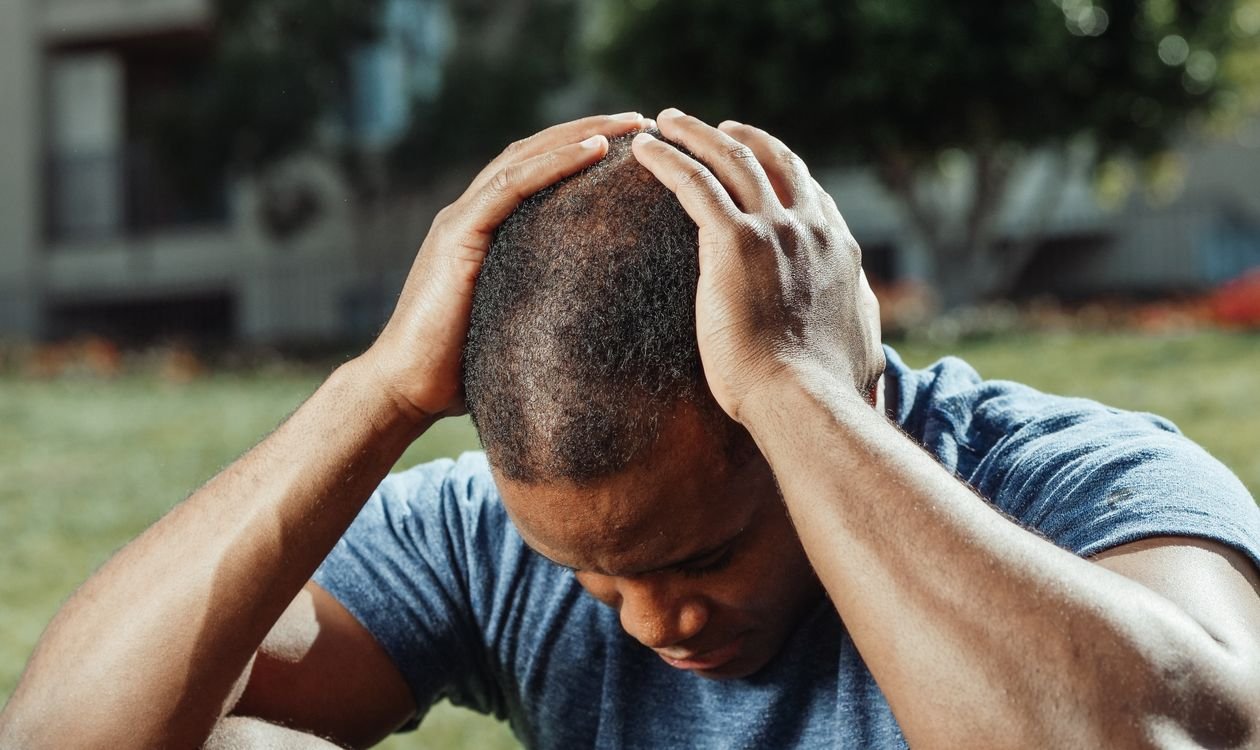
Anxiety that seems to come out of nowhere, without an obvious trigger, is one of the most confusing and frustrating experiences to deal with. The reassuring truth is that anxiety is almost never truly random. There is usually an identifiable cause, whether physical, psychological, or environmental, it just isn’t always obvious in the moment.
Quick Answer
Anxiety without an obvious trigger is often linked to chronic stress, poor sleep, caffeine or blood sugar swings, hormonal changes, or an anxiety disorder like generalised anxiety disorder. Unconscious stressors and underlying physical causes can also play a role.
Common Causes of Unexplained Anxiety
Chronic Stress and the Fight-or-Flight Response
Ongoing stress keeps the body’s nervous system on high alert, flooding it with cortisol and adrenaline. Over time, this heightened state can trigger anxiety even without a specific, immediate cause. This same stress response is also a common trigger for recurring headaches. Read more here.
Generalised Anxiety Disorder (GAD)
GAD causes persistent, excessive worry that isn’t tied to one particular situation, and can produce a background hum of anxiety that feels like it has no clear source.
Panic Disorder
Panic attacks can strike suddenly, with intense physical symptoms like a racing heart, sweating, and shortness of breath, often with no obvious external trigger, which can make them feel even more frightening.
Poor Sleep
Sleep deprivation disrupts the brain’s ability to regulate emotion, making anxious thoughts more intense and harder to control the following day.
Caffeine and Stimulants
Caffeine triggers the same physiological stress response as anxiety, elevated heart rate, jitteriness, and alertness, which can mimic or worsen anxious feelings, especially in sensitive individuals.
Blood Sugar Fluctuations
A sudden drop in blood sugar, often from skipped meals or excess sugar, triggers the release of stress hormones to raise it again, which can feel identical to a spike in anxiety.
Hormonal Changes
Thyroid imbalances, the menstrual cycle, pregnancy, and perimenopause can all shift hormone levels in ways that directly increase anxiety symptoms.
Unconscious or Unprocessed Stressors
Sometimes anxiety stems from a worry, memory, or unresolved stressor that isn’t consciously front of mind, but is still being processed by the brain in the background.
Medication and Substance Effects
Certain medications can list anxiety as a side effect, and withdrawal from alcohol, nicotine, or other substances is a well-documented trigger for sudden anxiety symptoms.
The Gut-Brain Connection
Emerging research links gut health to mood regulation. Digestive issues and an imbalanced gut microbiome are increasingly recognised as contributors to anxiety symptoms.
How Anxiety and Fatigue Feed Each Other
Anxiety and tiredness often form a cycle: anxiety disrupts sleep and drains mental energy, while exhaustion makes it harder for the brain to regulate anxious thoughts, which in turn worsens both symptoms over time. For a deeper look at persistent exhaustion, see our guide on why you might feel tired all the time.
Managing Sudden Anxiety
- Practise slow, deep breathing to calm the nervous system in the moment
- Use grounding techniques, such as naming five things you can see, hear, and touch
- Reduce caffeine intake, particularly later in the day
- Keep blood sugar stable with regular, balanced meals
- Prioritise consistent, good-quality sleep
- Track your anxiety alongside sleep, food, and events to spot hidden patterns
When to Seek Professional Help
- Anxiety persists most days for six months or longer
- Panic attacks occur repeatedly or unpredictably
- Anxiety interferes with work, relationships, or daily activities
- You experience chest pain, which should always be assessed urgently to rule out cardiac causes
- You notice thoughts of self-harm alongside anxiety, which needs immediate support
FAQs
Can anxiety really happen with no reason at all?
It can feel that way, but there is almost always an underlying trigger, whether it’s stress, sleep, hormones, or an unconscious worry. It just isn’t always obvious in the moment.
Is it normal to feel anxious after drinking caffeine?
Yes. Caffeine activates the same stress response as anxiety, so it’s common for sensitive individuals to feel jittery or anxious after consuming it, especially in larger amounts.
Can anxiety cause physical symptoms like a racing heart?
Yes, anxiety commonly causes physical symptoms including a racing heart, sweating, shortness of breath, and stomach discomfort, as part of the body’s stress response.
Conclusion
Anxiety that seems to appear out of nowhere usually has a real, identifiable cause, even if it isn’t immediately obvious, ranging from stress and sleep to hormones and blood sugar. Tracking patterns can help uncover triggers, but persistent or severe anxiety that affects daily life is best addressed with support from a mental health professional.
Last reviewed: August 2026. This article is for general information only and does not replace professional medical advice. If anxiety is affecting your daily life, please speak to a GP or a mental health professional.