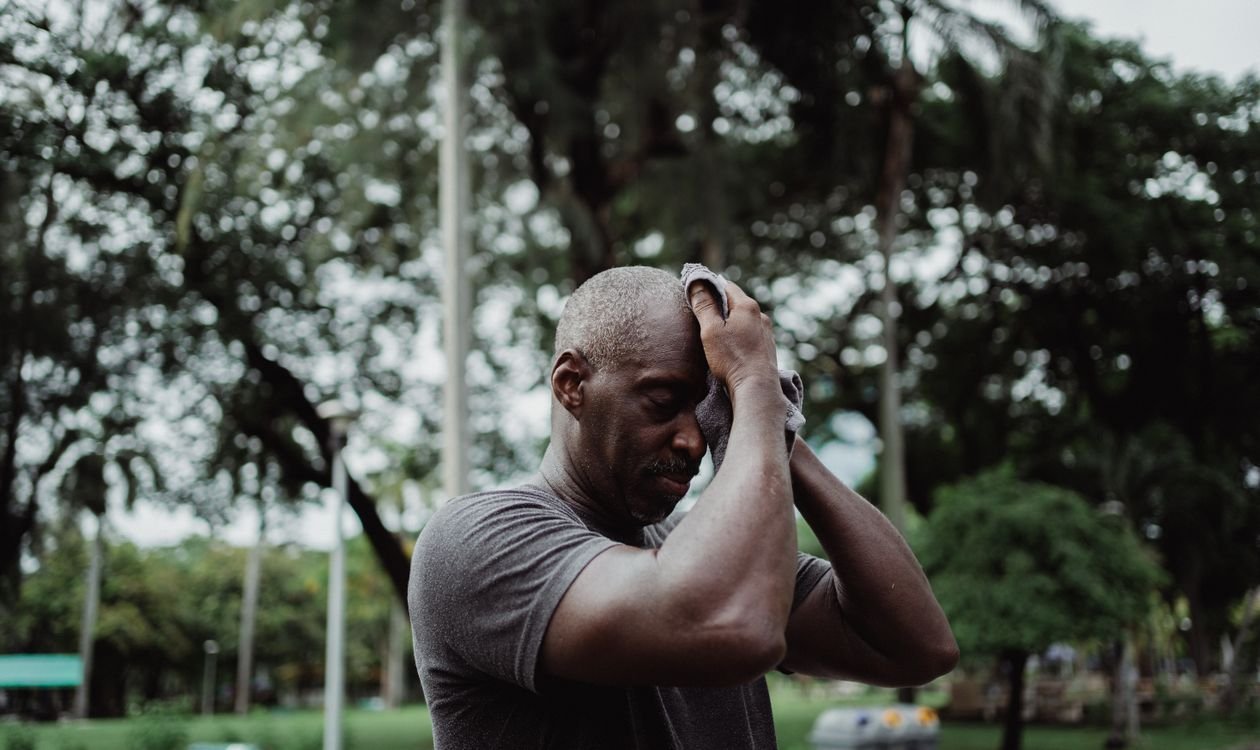
Sweating heavily even when you’re not exercising, stressed, or in a hot room can feel embarrassing and confusing. While some degree of sweating is completely normal, excessive sweating that interferes with daily life usually has an identifiable cause worth understanding.
Quick Answer
Excessive sweating is most often caused by stress or anxiety, hormonal changes, certain medications, or a condition called hyperhidrosis. Less commonly, it can signal an underlying issue like thyroid dysfunction, infection, or low blood sugar.
Common Causes of Excessive Sweating
Hyperhidrosis
This condition causes the sweat glands to become overactive, producing far more sweat than needed for temperature regulation, often concentrated in the palms, soles, underarms, or face. It can occur with no clear trigger.
Stress and Anxiety
The body’s stress response activates sweat glands as part of the fight-or-flight reaction, which is why nervousness or anxiety commonly triggers sudden, noticeable sweating. Anxiety without a clear trigger is covered in our guide on why you might feel anxious for no reason.
Hormonal Changes
Menopause is a well-known cause of excessive sweating through hot flushes and night sweats, driven by fluctuating oestrogen levels. Pregnancy and thyroid changes can have similar effects.
Medications
Certain antidepressants, blood pressure medications, and hormone therapies list excessive sweating as a known side effect.
Being Overweight
Excess body weight increases the body’s insulating layer and metabolic workload, both of which can increase how much you sweat during everyday activity.
Overactive Thyroid (Hyperthyroidism)
An overactive thyroid speeds up metabolism throughout the body, commonly causing increased sweating alongside symptoms like weight loss, rapid heartbeat, and heat intolerance.
Low Blood Sugar
A drop in blood sugar triggers the release of adrenaline, which commonly causes sudden sweating alongside shakiness and light-headedness, particularly in people with diabetes. Blood sugar swings are also linked to constant hunger. See our guide on why you might feel hungry all the time.
Infections and Fever
The body sweats to cool down as it fights infection, particularly as a fever breaks, which is why night sweats are a common feature of many illnesses.
Caffeine, Alcohol, and Spicy Food
All three can stimulate the nervous system or dilate blood vessels, triggering noticeable sweating shortly after consumption in some people.
How to Manage Excessive Sweating
- Use a clinical-strength antiperspirant, applied at night when sweat glands are less active
- Wear breathable, natural fabrics like cotton
- Limit caffeine, alcohol, and spicy foods if they seem to trigger sweating
- Practise stress management techniques like deep breathing if anxiety is a trigger
- Keep a diary to spot patterns linking sweating to specific triggers
When to See a Doctor
- Sweating is sudden, severe, and unexplained
- It’s paired with unexplained weight loss, rapid heartbeat, or fatigue
- Sweating disrupts daily life, work, or sleep significantly
- You notice night sweats that soak through clothing or bedding regularly
- Sweating started after beginning a new medication
These signs are worth investigating, since treatable causes like hyperhidrosis and thyroid conditions respond well to targeted treatment.
FAQs
Is it normal to sweat a lot for no obvious reason?
Occasional heavy sweating without a clear trigger is common, but if it happens regularly and affects daily life, it’s worth having checked, since conditions like hyperhidrosis are very treatable.
Can anxiety alone cause excessive sweating?
Yes. The body’s stress response directly activates sweat glands, which is why anxious moments often come with sudden, noticeable sweating, even without physical exertion.
Does excessive sweating mean something is wrong with my thyroid?
Not necessarily. While an overactive thyroid can cause increased sweating, it is usually accompanied by other symptoms like weight loss and a fast heartbeat, and a simple blood test can confirm or rule it out.
Conclusion
Excessive sweating is usually linked to stress, hormones, or a treatable condition like hyperhidrosis, rather than anything serious. Simple lifestyle adjustments help many cases, but sweating that is sudden, severe, or paired with other symptoms is worth having checked by a doctor.
Last reviewed: August 2026. This article is for general information only and does not replace professional medical advice. If sweating is sudden, severe, or unexplained, please speak to a GP.