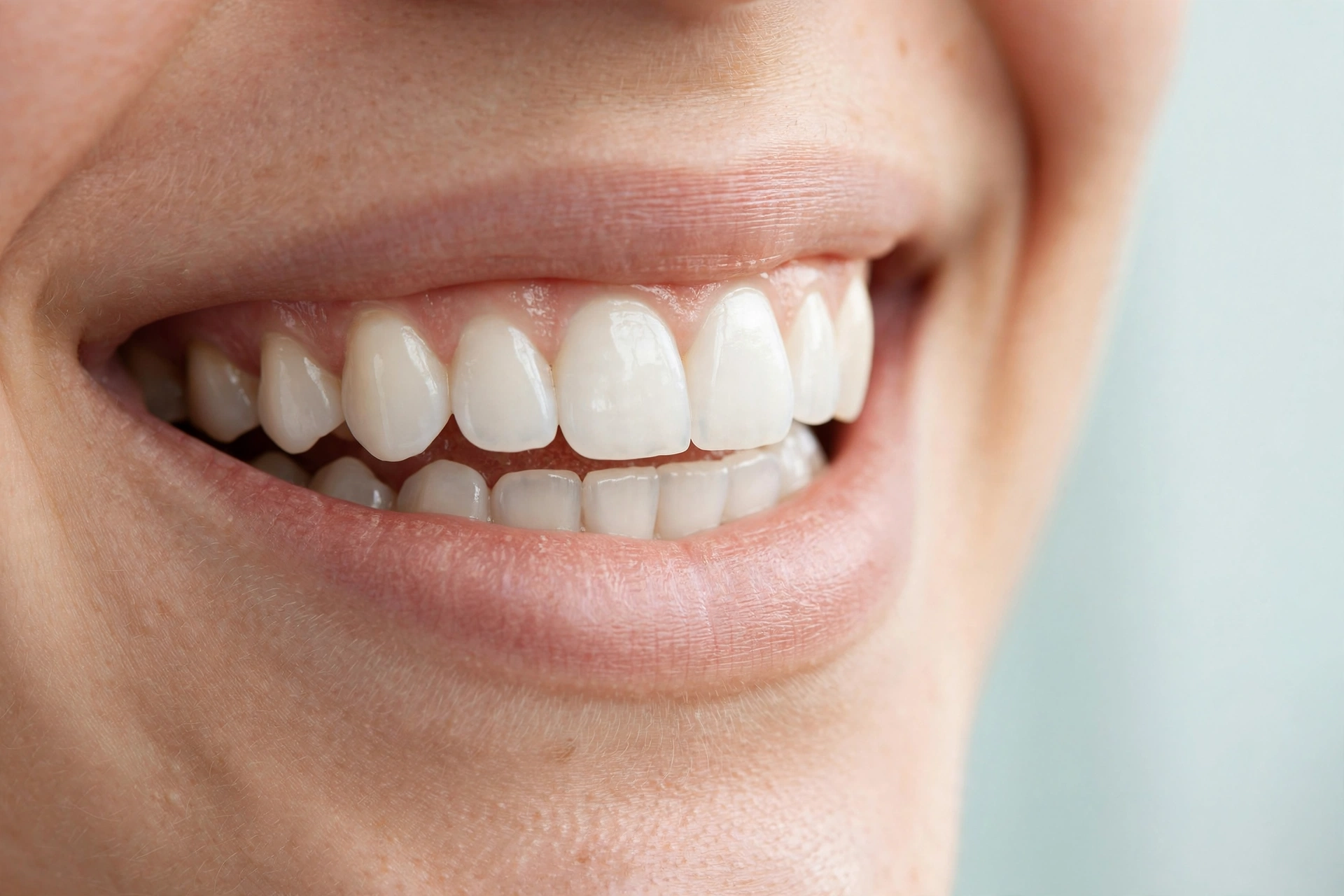
Everyone wants a brighter smile, but professional whitening is expensive and some DIY methods can damage your teeth. The good news is that there are safe, natural ways to brighten your teeth at home. Here’s what actually helps, what to avoid, and when to see a dentist.
First, what actually stains your teeth
Teeth stain for two reasons: surface stains from food and drink, and deeper discolouration inside the tooth. Tea, coffee, red wine, and smoking cause most surface stains, while ageing, certain medications, and trauma cause deeper ones. Natural methods can help with surface stains; deeper discolouration usually needs professional treatment.
The UK law on whitening: the peroxide limits
Before buying any whitening product, know the UK limits.
| Hydrogen peroxide level | The rule |
|---|---|
| 0.1% or less | Anyone can buy it. Freely available, including in toothpaste and mouth rinse |
| More than 0.1% up to 6% | Registered dental professionals only. Cannot be sold directly to the public. The first use must be by, or under the direct supervision of, a dental professional. Not for under 18s, except to treat or prevent disease |
| More than 6% | No one, for cosmetic whitening. Illegal to supply or use for cosmetic purposes |
Teeth whitening counts as the practice of dentistry under the Dentists Act 1984, so only a registered dental professional may carry it out.
Methods that can help
Whitening toothpastes contain mild abrasives that polish away surface stains with daily use. They won’t change the natural colour of your teeth, but they can remove the dull film that makes teeth look yellow. Brushing well matters more than the toothpaste brand: an electric toothbrush with a whitening toothpaste is a solid combination.
Oil pulling, swishing coconut oil around the mouth, is popular online. The evidence is thin, but it’s harmless and may reduce plaque, which can make teeth look slightly brighter. Don’t expect dramatic results.
Baking soda toothpaste is mildly abrasive and has decent evidence for stain removal. Use a commercial baking soda toothpaste rather than scrubbing with neat baking soda, which can be too harsh on enamel.
Methods at a glance
| Method | How well it works | Safety note |
|---|---|---|
| Whitening toothpaste | Modest; removes surface stains | Safe for daily use |
| Baking soda toothpaste | Modest; good for surface stains | Safe in commercial toothpaste; avoid neat powder |
| Oil pulling | Minimal evidence | Harmless, but don’t expect much |
| Hydrogen peroxide rinses (low concentration) | Moderate | Can irritate gums; keep concentration low |
| Avoiding stain-heavy foods and drinks | Prevents new stains | Safe and free |
| Professional whitening | Best results | Done by a dentist; costs more |
Why shop-bought whitening kits do so little
The law above explains why shop kits disappoint. A kit from a chemist or supermarket can legally contain no more than 0.1% hydrogen peroxide, and the Oral Health Foundation says that level is too low to change tooth colour noticeably. So shop strips, pens and kits mostly work like whitening toothpaste: mild abrasives that polish away surface stains. Kits bought online from sellers outside the UK may not follow UK limits at all, and a gel far stronger than 0.1% can burn gums and damage enamel. For a real colour change, the only legal route is a dentist, using up to 6% hydrogen peroxide under clinical conditions.
Be careful with these DIY methods
Lemon juice and apple cider vinegar are acids that dissolve stains by dissolving enamel too. Charcoal powder is abrasive and can wear enamel and irritate gums. Once enamel is gone, it doesn’t grow back, and teeth can look more yellow as the darker layer beneath shows through. If a method sounds too good to be true, it probably is.
Who should not whiten, and what a dentist checks first
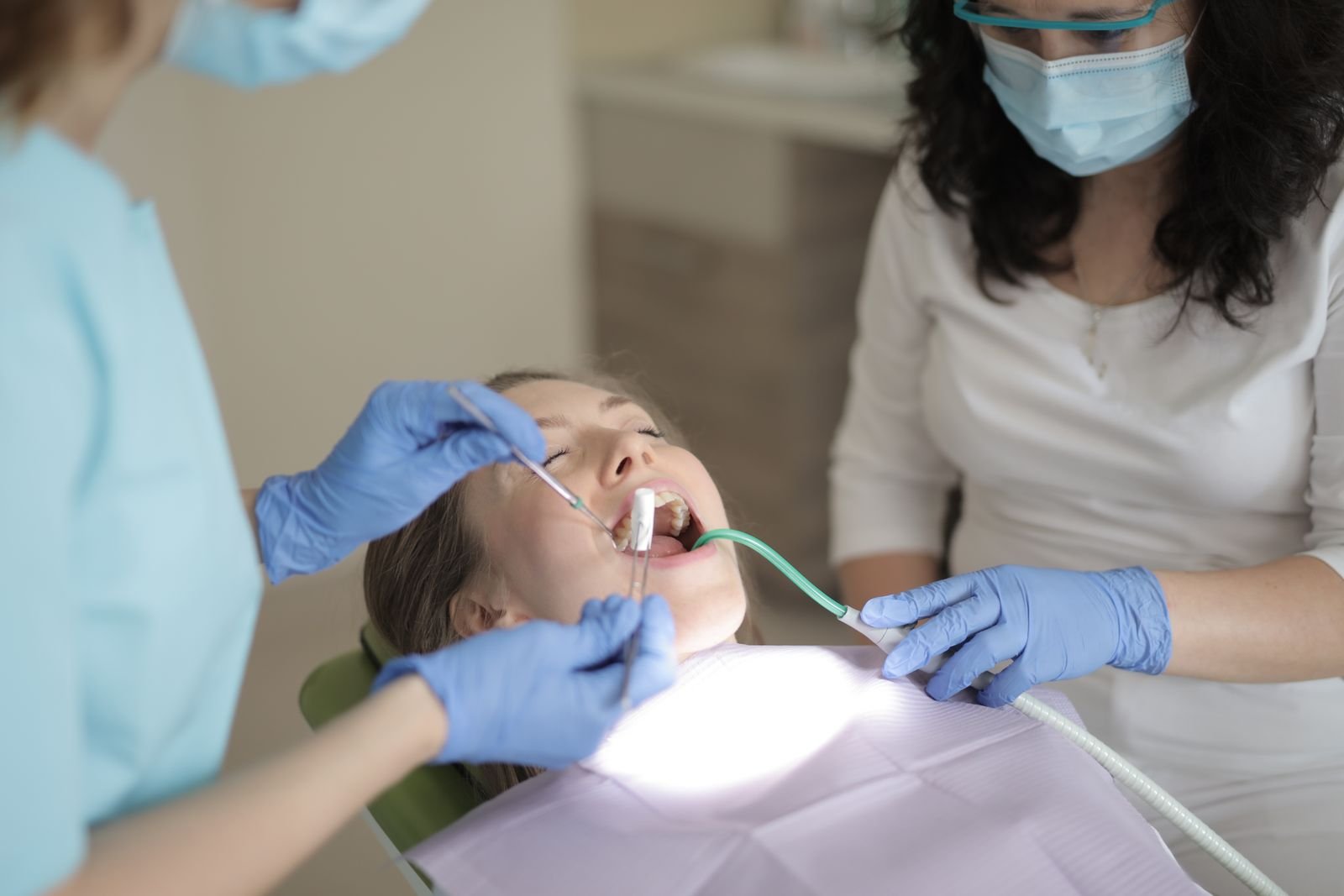
The NHS says whitening is not done if you are 17 or younger, or if you have unhealthy teeth or gums. It is also not recommended if you are pregnant or breastfeeding, or if you have crowns, dentures or implants, because whitening can only lighten natural teeth. A dentist should check your teeth and gums are healthy first. Whitening is not available on the NHS: you have to pay for it as a private patient, and a kit from a dentist, or treatment at a dental surgery, is the safest way to have it. Side effects can include sensitive teeth, sore gums or throat, and white patches on the gums, which usually pass. Start with clean teeth: change your brush every three months, as explained in our guide: How Often Should You Change Your Toothbrush?
What actually works long term
The most effective long-term approach is boring: brush twice a day, floss, avoid smoking, and limit tea, coffee, and red wine. Rinse with water after staining drinks. Good oral hygiene also helps with bad breath, which often shares the same root causes as staining: plaque and poor technique.
See your dentist for a scale and polish, which removes tartar that no home method can shift. If a tooth is dead or badly damaged inside, no whitening method will help; your dentist may suggest a crown, a veneer, or, for a missing tooth, dental implants.
For a dramatic colour change on healthy teeth, ask about professional whitening rather than gambling with DIY kits.
FAQs
Does baking soda whiten teeth?
It can help remove surface stains because it’s mildly abrasive. Use a commercial baking soda toothpaste rather than neat powder, which can be too harsh on enamel.
Is oil pulling effective for whitening?
The evidence is weak. It may reduce plaque slightly, which can make teeth look a little brighter, but don’t expect visible whitening.
Are whitening toothpastes safe?
Yes, for daily use. They use mild abrasives to polish away surface stains. They won’t damage enamel when used as directed, but they can’t change your teeth’s natural colour.
How can I whiten my teeth without damaging enamel?
Stick to whitening toothpaste, good brushing technique, and avoiding stain-heavy foods. Avoid acids like lemon juice and abrasive powders like charcoal, which can wear enamel permanently.
Is teeth whitening available on the NHS?
No. You have to pay for it as a private patient. A kit from a dentist, or treatment at a dental surgery, is the safest way, because the chemicals used are very strong and should only be used by dental professionals.
Sources
- NHS, Teeth whitening: https://www.nhs.uk/conditions/teeth-whitening/
- General Dental Council, Tooth whitening position statement: https://www.gdc-uk.org/docs/default-source/what-is-the-legal-position/tooth-whitening-position-statement.pdf
This article is for general information only and does not replace professional dental advice. If you have ongoing concerns, see your dentist.