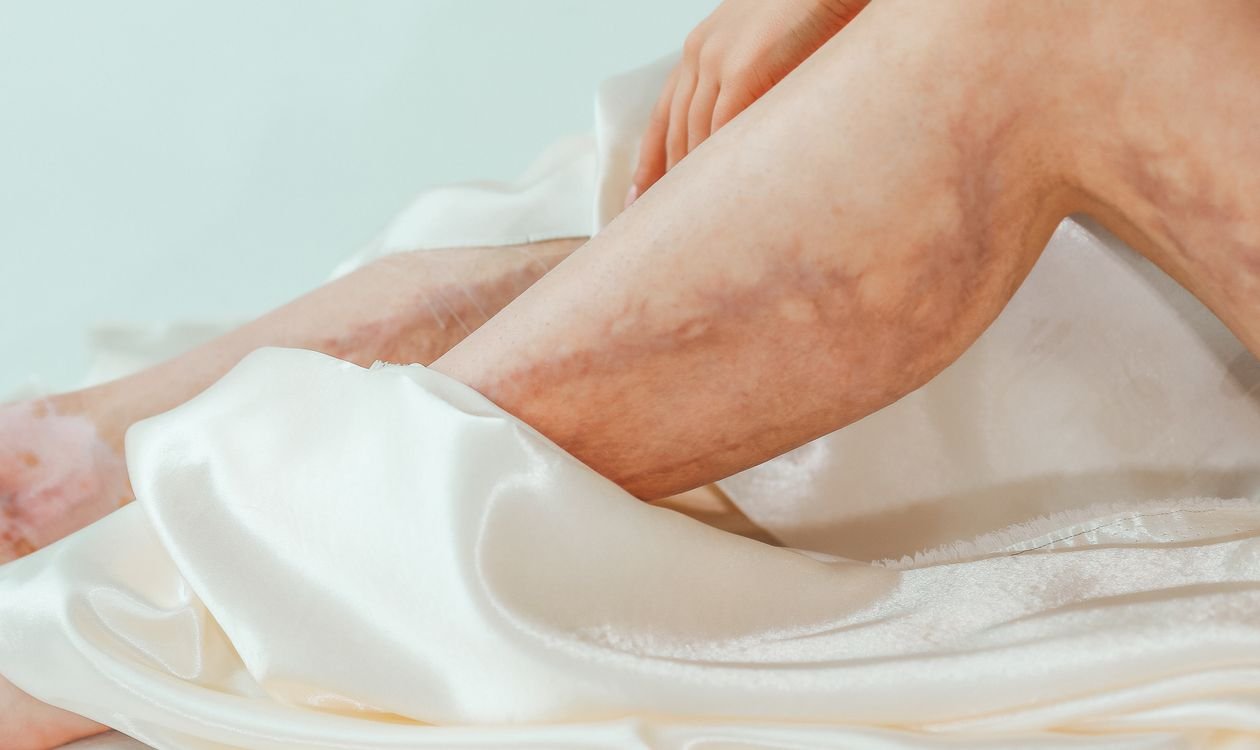
Noticing a bruise and not remembering how you got it is more common than most people realise. While easy bruising is often harmless, especially as skin thins with age, it can occasionally point to something that deserves a closer look, particularly if bruises appear frequently or in unusual places.
Quick Answer
Easy bruising is most often caused by thinning skin with age, blood-thinning medications, vitamin deficiencies, or minor bumps that go unnoticed. Less commonly, it can signal a blood clotting or platelet disorder, which is worth checking if bruising is frequent or unexplained.
Common Causes of Easy Bruising
Thinning Skin and Ageing
As skin loses collagen and the protective fat layer beneath it thins with age, blood vessels become more exposed and prone to breaking with minimal impact, leading to bruises that appear more easily and take longer to fade. Ageing skin also plays a role in other visible changes, such as dark circles under the eyes.
Blood-Thinning Medications
Aspirin, warfarin, and other anticoagulants reduce the blood’s ability to clot, making bruising more likely even from minor bumps that would not normally leave a mark.
Vitamin C Deficiency
Vitamin C supports collagen production in blood vessel walls. Low levels can weaken these walls, making them more prone to breaking and bruising under normal pressure.
Vitamin K Deficiency
Vitamin K plays a central role in blood clotting. A deficiency can slow the body’s ability to stop bleeding under the skin, resulting in larger or more frequent bruises. Vitamin deficiencies can also affect the gums. See our guide on why gums might bleed when you brush.
Unnoticed Minor Trauma
Small bumps against furniture or during daily activity are easy to forget, especially on the arms and legs, and are one of the most common explanations for a bruise with no clear memory of its cause.
Sun Damage
Chronic sun exposure weakens the connective tissue supporting blood vessels in the skin, particularly on the forearms and hands, making bruising more likely in these areas over time.
Alcohol Use
Regular alcohol consumption can impair liver function and reduce clotting factor production, both of which increase the likelihood of easy bruising.
Certain Supplements
Fish oil, ginkgo biloba, and high-dose vitamin E can all have mild blood-thinning effects, increasing bruising tendency when taken regularly.
Blood or Platelet Disorders
Rarely, conditions affecting platelet count or clotting function can cause frequent, unexplained bruising, sometimes alongside other symptoms like prolonged bleeding from small cuts or frequent nosebleeds.
When Easy Bruising Needs Medical Attention
- Bruises appear frequently without a clear cause
- Bruises are unusually large or painful for the apparent impact
- You notice bruising alongside frequent nosebleeds or bleeding gums
- Bruises appear on the trunk, back, or face without injury
- You feel unusually tired or unwell alongside the bruising
These signs warrant a blood test to check platelet count and clotting function, rather than continued self-monitoring.
How to Reduce Easy Bruising
- Eat a diet rich in vitamin C (citrus, peppers) and vitamin K (leafy greens)
- Wear protective clothing during activities with a higher risk of bumps
- Apply a cold compress immediately after a knock to limit bruise size
- Review medications and supplements with your doctor if bruising has increased recently
- Limit alcohol intake, which can worsen bruising tendency over time
FAQs
Is it normal to bruise more easily as you get older?
Yes. Thinning skin and more fragile blood vessels are a normal part of ageing, which is why bruising tends to increase, particularly on the arms and hands, later in life.
Should I be worried about a bruise with no known cause?
An occasional unexplained bruise is usually nothing to worry about, but frequent, large, or unusually placed bruises are worth mentioning to a doctor.
Can vitamin deficiencies really cause bruising?
Yes, both vitamin C and vitamin K play direct roles in blood vessel strength and clotting, and low levels of either can noticeably increase bruising.
Conclusion
Easy bruising is usually explained by thinning skin, minor unnoticed bumps, or medication effects, and is rarely a cause for concern on its own. However, frequent, unexplained, or unusually placed bruising is worth having checked, since a simple blood test can rule out an underlying clotting or platelet issue.
Last reviewed: August 2026. This article is for general information only and does not replace professional medical advice. If bruising is frequent or unexplained, please speak to a GP.