Waking up with red, bloodshot eyes or noticing redness creep in during the day is a common experience. In most cases, red eyes are harmless and clear up quickly, but they can occasionally point to something that needs closer attention. Here is a clear breakdown of what causes red eyes and how to know which category yours falls into.
Why Do Eyes Turn Red?
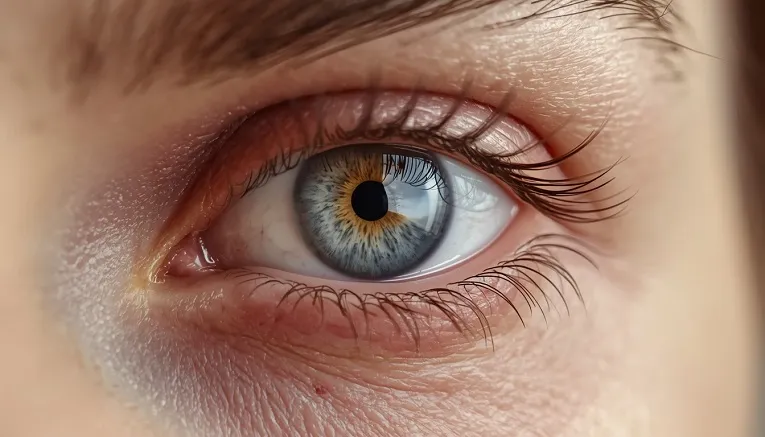
The white part of the eye, called the sclera, is covered by a thin, clear membrane full of tiny blood vessels. When these vessels expand or become irritated, they become more visible, giving the eye a red or bloodshot appearance. This can happen for many reasons, ranging from simple tiredness to underlying eye conditions.
Common Causes of Red Eyes
Lack of Sleep
Poor or insufficient sleep is one of the most frequent causes of red eyes. Tired eyes produce fewer tears and are more prone to irritation, which causes the blood vessels on the surface to dilate.
Dry Eyes
When the eyes are not adequately lubricated, whether from screen time, air conditioning, or ageing, the surface becomes irritated and the vessels widen in response, resulting in a reddish appearance.
Allergies
Pollen, dust, pet dander, and other allergens can trigger histamine release in the eyes, leading to redness, itching, watering, and swelling. Seasonal allergies are a particularly common culprit.
Conjunctivitis (Pink Eye)
Viral, bacterial, or allergic conjunctivitis inflames the conjunctiva and is one of the most recognisable causes of red eyes, often paired with discharge, itching, or a gritty feeling.
Contact Lens Overuse
Wearing contact lenses for too long, sleeping in them, or not cleaning them properly can irritate the eyes and reduce oxygen flow to the cornea, causing noticeable redness.
Smoke, Dust, and Environmental Irritants
Exposure to smoke, chlorine, dust, or strong wind can irritate the eyes and cause temporary redness that usually settles once the irritant is removed.
Alcohol Consumption
Alcohol causes blood vessels throughout the body to dilate, including those in the eyes, which is why redness is a common and short-lived effect after drinking.
Subconjunctival Haemorrhage
Sometimes a small blood vessel under the conjunctiva breaks, causing a bright red patch on the white of the eye. It can look alarming but is usually painless and resolves on its own within one to two weeks.
When Red Eyes Need Medical Attention
While most redness is harmless, certain signs suggest you should see an eye care professional:
- Redness accompanied by pain or a sharp change in vision
- Sensitivity to light that is severe or worsening
- Thick discharge or crusting, especially in one eye only
- Redness following an injury or chemical exposure
- Redness that lasts more than a week without improvement
These symptoms can indicate infections, inflammation inside the eye, or other conditions that require proper diagnosis and treatment.
How to Reduce Redness at Home
- Use preservative-free artificial tears to relieve dryness and irritation
- Apply a cool, clean compress to soothe tired or irritated eyes
- Get consistent, adequate sleep each night
- Avoid rubbing your eyes, which can worsen irritation
- Remove contact lenses at the first sign of discomfort
- Limit exposure to smoke, dust, and known allergens where possible
If redness persists despite these steps, or keeps coming back, it is worth having your eyes examined to rule out an underlying cause.
FAQs
Are red eyes always caused by an infection?
No. Fatigue, dryness, allergies, and environmental irritants cause redness just as often as infections do.
Can red eyes go away on their own?
Yes, in many cases redness caused by tiredness, mild irritation, or allergies clears up on its own within a day or two with rest and basic care.
Should I wear contact lenses if my eyes are red?
It is best to avoid wearing contact lenses until the redness clears, since lenses can trap irritants against the eye and slow healing.
Conclusion
Red eyes are usually the result of everyday causes like tiredness, dryness, or allergies, and typically improve with simple home care. However, redness paired with pain, vision changes, or discharge is a signal to seek professional care. Paying attention to accompanying symptoms is the best way to know whether your red eyes need nothing more than rest, or a visit to an eye care professional.