
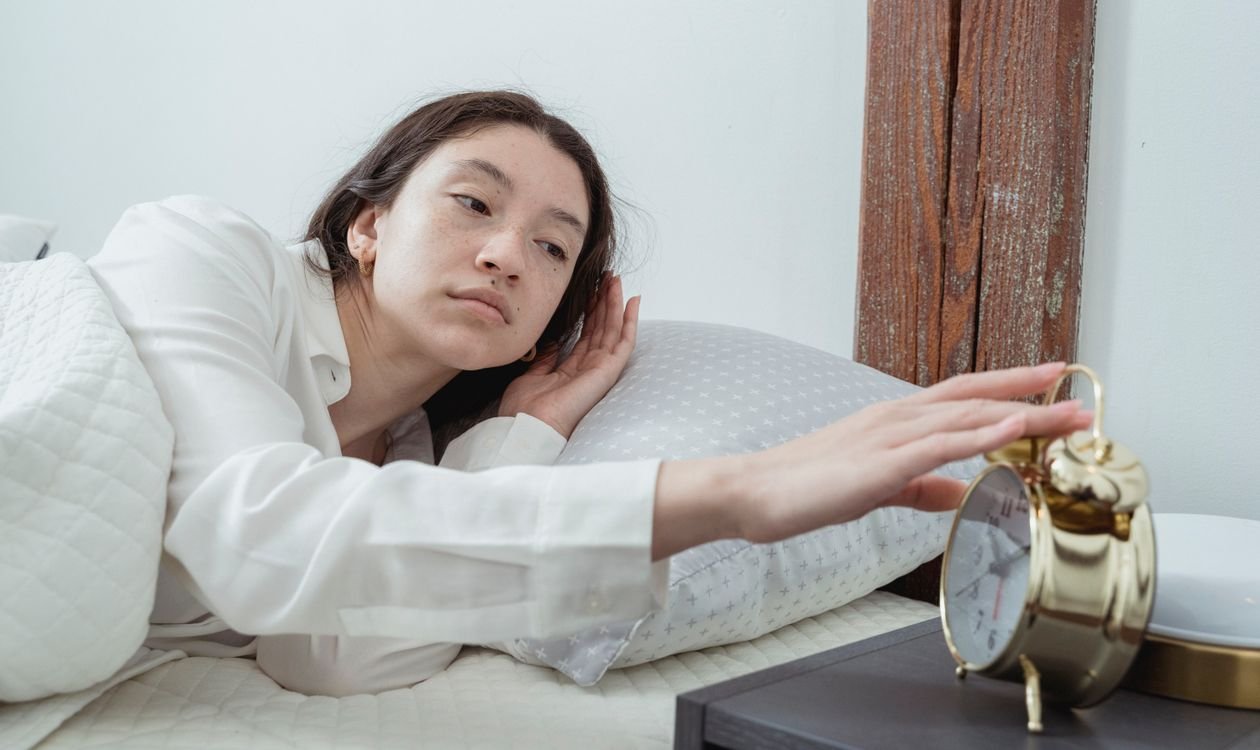
Lying awake staring at the ceiling, exhausted but unable to switch off, is one of the most common and most frustrating experiences there is. Sleeplessness is rarely random. It usually traces back to a specific, identifiable cause, whether that’s your evening habits, your mind, or something happening in your body.
Quick Answer
Difficulty sleeping is most often caused by stress, an irregular sleep schedule, screen use before bed, or caffeine and alcohol. Anxiety, depression, and underlying sleep disorders like sleep apnoea can also be responsible, particularly when poor sleep becomes a regular pattern.
Common Causes of Poor Sleep
Stress and Racing Thoughts
Stress raises cortisol levels, keeping the brain alert exactly when it should be winding down. This is one of the most common reasons people struggle to fall asleep, even when physically exhausted.
Anxiety and Depression
Both conditions are closely linked to insomnia, often creating a cycle in which poor sleep worsens mood, and low mood makes sleep harder to achieve. If anxiety feels constant or hard to explain, our guide on why you might feel anxious for no reason may help.
Screen Use Before Bed
Blue light from phones and other screens suppresses melatonin, the hormone that signals to your body that it’s time to sleep, delaying the natural onset of sleepiness.
Caffeine and Alcohol
Caffeine can affect sleep for up to several hours after consumption, even if you don’t feel wired. Alcohol may help you fall asleep initially but disrupts sleep later in the night, leading to fragmented rest.
Irregular Sleep Schedule
Going to bed and waking up at inconsistent times confuses your body’s internal clock, making it harder to feel naturally tired at a consistent hour.
Heavy or Late Meals
Eating a large meal close to bedtime can cause discomfort, bloating, or reflux, all of which make it harder to fall and stay asleep.
An Uncomfortable Sleep Environment
A room that’s too warm, too bright, or too noisy can prevent deep, uninterrupted sleep, even if you manage to fall asleep initially.
Underlying Sleep Disorders
Conditions such as sleep apnoea, restless legs syndrome, or chronic insomnia can all disrupt sleep in ways that feel like ordinary sleeplessness but need targeted treatment. A partner’s snoring can also affect your sleep quality. See our guide on why snoring happens and when it needs attention.
Medications
Certain medications, including some for blood pressure, asthma, and depression, list disrupted sleep as a known side effect.
Hormonal Changes
Perimenopause and menopause commonly disrupt sleep through night sweats and hormonal fluctuations, while pregnancy and the menstrual cycle can have similar effects.
How to Improve Sleep
- Keep a consistent sleep and wake time, even on weekends
- Avoid screens for at least an hour before bed
- Limit caffeine after early afternoon and reduce alcohol close to bedtime
- Keep your bedroom cool, dark, and quiet
- Avoid large meals within a few hours of sleeping
- Try a wind-down routine, such as reading or light stretching, to signal to your body that sleep is coming
When to See a Doctor
- Poor sleep persists most nights for more than a month
- You feel excessively sleepy during the day despite spending enough time in bed
- You or a partner notice loud snoring or gasping during sleep
- Sleep problems are affecting your mood, memory, or daily functioning
FAQs
Why do I wake up in the middle of the night and can’t get back to sleep?
This is often linked to stress, alcohol consumption before bed, or an irregular sleep schedule, though sleep apnoea and hormonal changes can also cause frequent night waking.
Does napping during the day make insomnia worse?
Long or late naps can reduce sleep drive, making it harder to fall asleep at night, though a short nap earlier in the day is less likely to interfere.
How long does it take to fix a bad sleep pattern?
With consistent habits, most people notice improvement within one to two weeks, though it can take longer if stress, anxiety, or an underlying sleep disorder is involved.
Conclusion
Struggling to sleep almost always has an identifiable cause, whether that’s stress, habits, or an underlying health issue. Small, consistent changes to your evening routine resolve most cases, but sleep problems that persist for weeks are worth discussing with a doctor.
Last reviewed: August 2026. This article is for general information only and does not replace professional medical advice. If poor sleep persists for more than a month, please speak to a GP.