
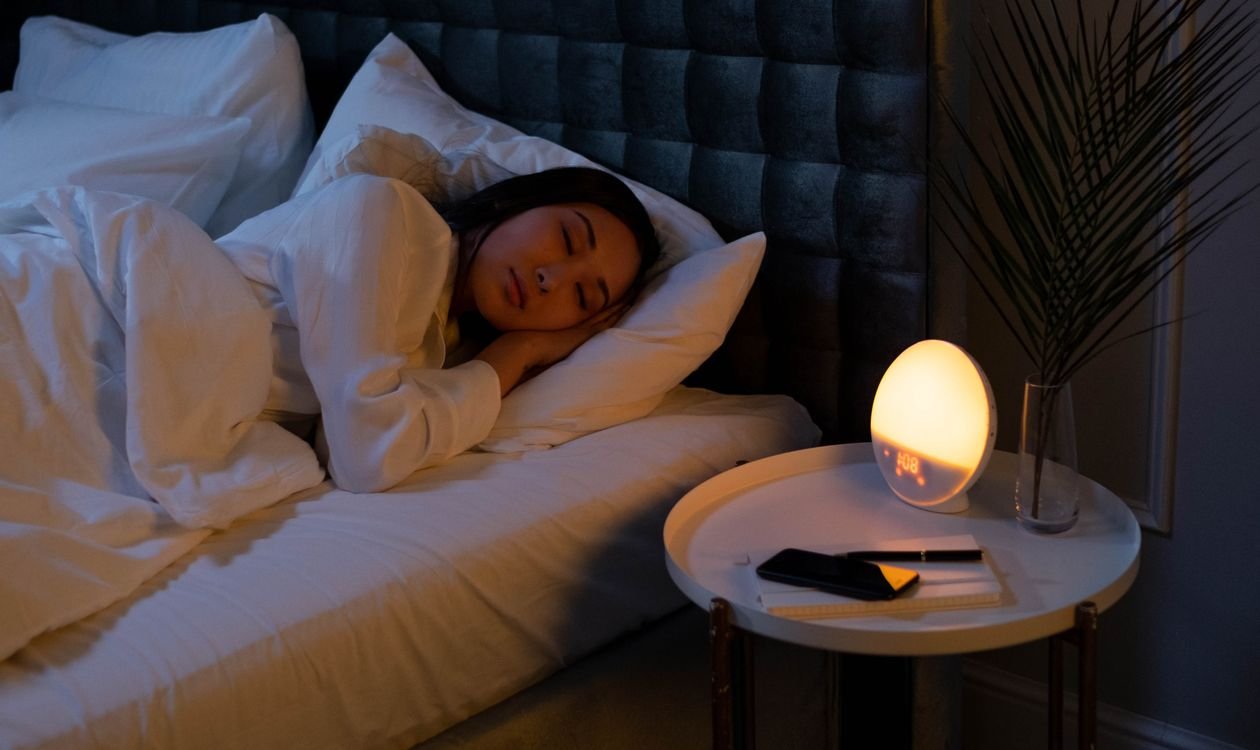
Waking up with a sore jaw, a dull headache, or worn-down teeth you don’t remember causing is a common sign of night-time teeth grinding. Known medically as bruxism, it often happens entirely unconsciously during sleep.
Quick Answer
Teeth grinding at night is most often caused by stress, an abnormal bite, or sleep disorders like sleep apnoea. Caffeine, alcohol, and certain medications can also increase how often it happens.
Common Causes of Teeth Grinding
Stress and Anxiety
Stress is one of the most common triggers, as tension carries over into unconscious jaw clenching and grinding once you fall asleep.
Misaligned Bite
When upper and lower teeth don’t meet evenly, the jaw muscles may grind to try to find a comfortable resting position, often without you realising.
Sleep Apnoea
Grinding is strongly linked to obstructive sleep apnoea, where the body may grind teeth as part of the arousal response when breathing is briefly interrupted.
Caffeine and Alcohol
Both stimulate the nervous system and can increase muscle activity during sleep, making grinding more likely, particularly when consumed later in the day.
Certain Medications
Some antidepressants, particularly SSRIs, list teeth grinding as a known side effect in some people.
Smoking
Nicotine is a stimulant, and smokers are statistically more likely to grind their teeth at night than non-smokers.
Genetics
Bruxism often runs in families, suggesting a genetic component independent of stress or lifestyle factors.
Signs You Might Be Grinding Your Teeth
- Waking with a sore or tight jaw
- Dull headaches, particularly around the temples, in the morning
- Worn, flattened, or chipped teeth
- Increased tooth sensitivity
- A partner noticing grinding sounds during sleep
How to Reduce Teeth Grinding
- Ask your dentist about a custom night guard to protect teeth from wear
- Manage stress through relaxation techniques before bed
- Limit caffeine and alcohol, particularly in the evening
- Address jaw tension during the day with gentle stretches
- Get evaluated for sleep apnoea if you also snore or feel excessively tired during the day
When to See a Dentist
- You notice visible tooth wear, chips, or increased sensitivity
- Jaw pain or headaches are frequent
- A partner reports loud, regular grinding
- You suspect sleep apnoea alongside grinding
FAQs
Can teeth grinding damage teeth permanently?
Yes, over time. Untreated grinding can wear down enamel, crack teeth, and contribute to jaw joint problems, which is why a night guard is often recommended even for mild cases.
Is teeth grinding always linked to stress?
Not always. While stress is a major factor, sleep apnoea, bite misalignment, and certain medications can also cause or worsen grinding independent of stress levels.
Do night guards actually stop grinding?
A night guard won’t stop the grinding itself, but it protects teeth from wear and can reduce jaw strain, which is why dentists commonly recommend one for regular grinders.
Conclusion
Teeth grinding at night is usually linked to stress, bite alignment, or sleep quality, and is very manageable once identified. A dentist can assess for wear and fit a night guard, while addressing the underlying trigger helps reduce how often it happens.
Last reviewed: August 2026. This article is for general information only and does not replace professional dental advice. If you notice tooth wear or jaw pain, please see a dentist.